Large Animal Emergencies After Hours/Weekends, please call (352) 584-9862



Hickory Hill Veterinary Services provides veterinary electrocardiogram (ECG/EKG) services in Brooksville, offering non-invasive cardiac monitoring to detect heart rhythm abnormalities in pets.
An electrocardiogram records the electrical activity of your pet’s heart, producing a waveform tracing that reveals the heart’s rate and rhythm. Abnormalities detected on an ECG can indicate arrhythmias, conduction disorders, electrolyte imbalances, and structural heart disease. ECG is an essential diagnostic tool when pets present with fainting, weakness, exercise intolerance, abnormal heart sounds, or irregular pulse. It is also commonly used for pre-anesthetic cardiac screening before surgery, particularly in older pets or those with known heart conditions.
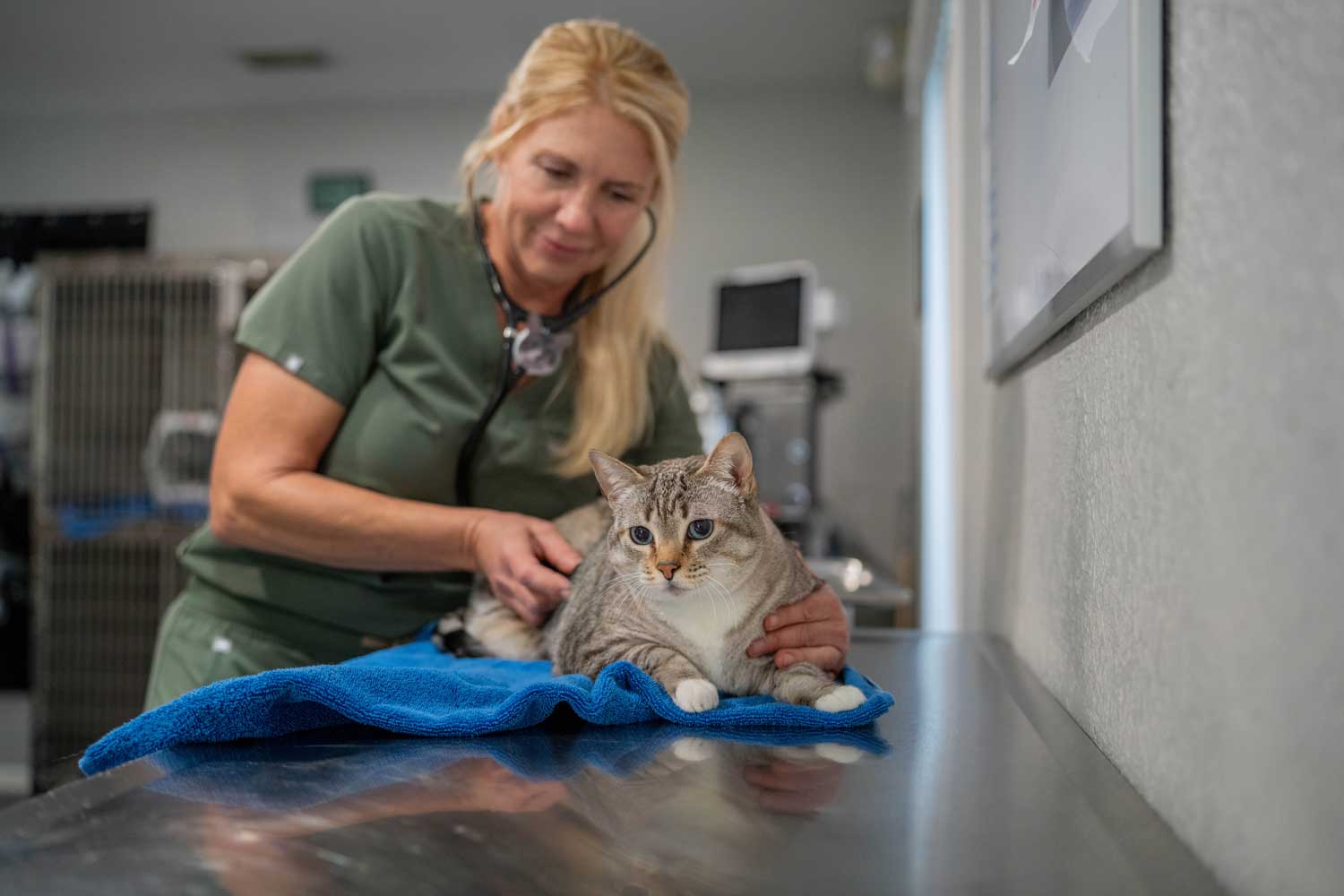
Our team makes the ECG procedure at Hickory Hill Veterinary Services quick, non-invasive, and comfortable for your pet.
Your pet is gently positioned, usually in lateral recumbency (lying on their side). Most pets tolerate this well without sedation.
Small electrode clips or adhesive patches are placed on your pet’s limbs and sometimes chest. These leads detect the electrical signals from the heart without causing any pain.
The ECG machine records your pet’s cardiac electrical activity over several seconds to minutes. The tracing is immediately available for evaluation by our veterinarian.
Our veterinarian interprets the ECG tracing in the context of your pet’s clinical history and physical exam, explaining findings and recommending further diagnostics or treatment as indicated.

Heart disease is one of the most common conditions in dogs and cats, particularly in older pets and certain breeds. ECG is a critical first-line diagnostic tool for any pet showing signs of cardiac abnormality.
Conditions like atrial fibrillation, ventricular tachycardia, and heart block can be life-threatening if untreated. ECG identifies these abnormalities, allowing for prompt intervention.
For pets undergoing anesthesia, ECG confirms cardiac stability and guides our anesthesia protocol to minimize risk during surgical procedures.
Pets with diagnosed heart disease benefit from periodic ECG monitoring to assess how their condition is progressing and whether medication adjustments are needed.

An ECG records the electrical activity of your pet’s heart, detecting arrhythmias, conduction disorders, and other abnormalities. It is recommended for pets with fainting, irregular heartbeat, exercise intolerance, or prior to surgery. Our team at Hickory Hill Veterinary Services interprets results during the same visit.
ECG costs vary by species and whether additional cardiac diagnostics are performed. The procedure takes 15–30 minutes. Call (813) 373-5924 for current pricing.
No special preparation is needed. Your pet should be calm during the procedure. If your pet is anxious, let our team know — we can discuss mild sedation options to ensure an accurate tracing.
ECG can detect arrhythmias including atrial fibrillation, ventricular tachycardia, bradycardia, and heart block. It also helps screen for electrolyte imbalances and assess overall cardiac health before anesthesia.
Call (813) 373-5924 or visit 26358 Hickory Hill Road, Brooksville, FL 34602. Hours: Monday, Tuesday, Thursday, Friday 9am–6pm.
Protect your pet’s heart health with an electrocardiogram in Brooksville. Call (813) 373-5924 or visit 26358 Hickory Hill Road, Brooksville, FL 34602. Hours: Monday, Tuesday, Thursday, Friday 9am–6pm.