Large Animal Emergencies After Hours/Weekends, please call (352) 584-9862



Hickory Hill Veterinary Services provides comprehensive hip dysplasia diagnosis and treatment in Brooksville, helping dogs and other animals regain mobility and live comfortably.
Hip dysplasia is a developmental orthopedic condition in which the hip joint fails to develop normally, resulting in a loose, unstable joint. Over time, this instability leads to progressive cartilage damage, pain, and osteoarthritis. Hip dysplasia is most common in large and giant breed dogs but can affect medium breeds and occasionally cats. Signs include limping, reluctance to exercise, difficulty rising, and a characteristic swaying gait. Diagnosis is confirmed through physical examination and radiographs. Treatment options range from medical management with pain relief and physical rehabilitation to surgical correction depending on the severity and the patient’s age and condition.
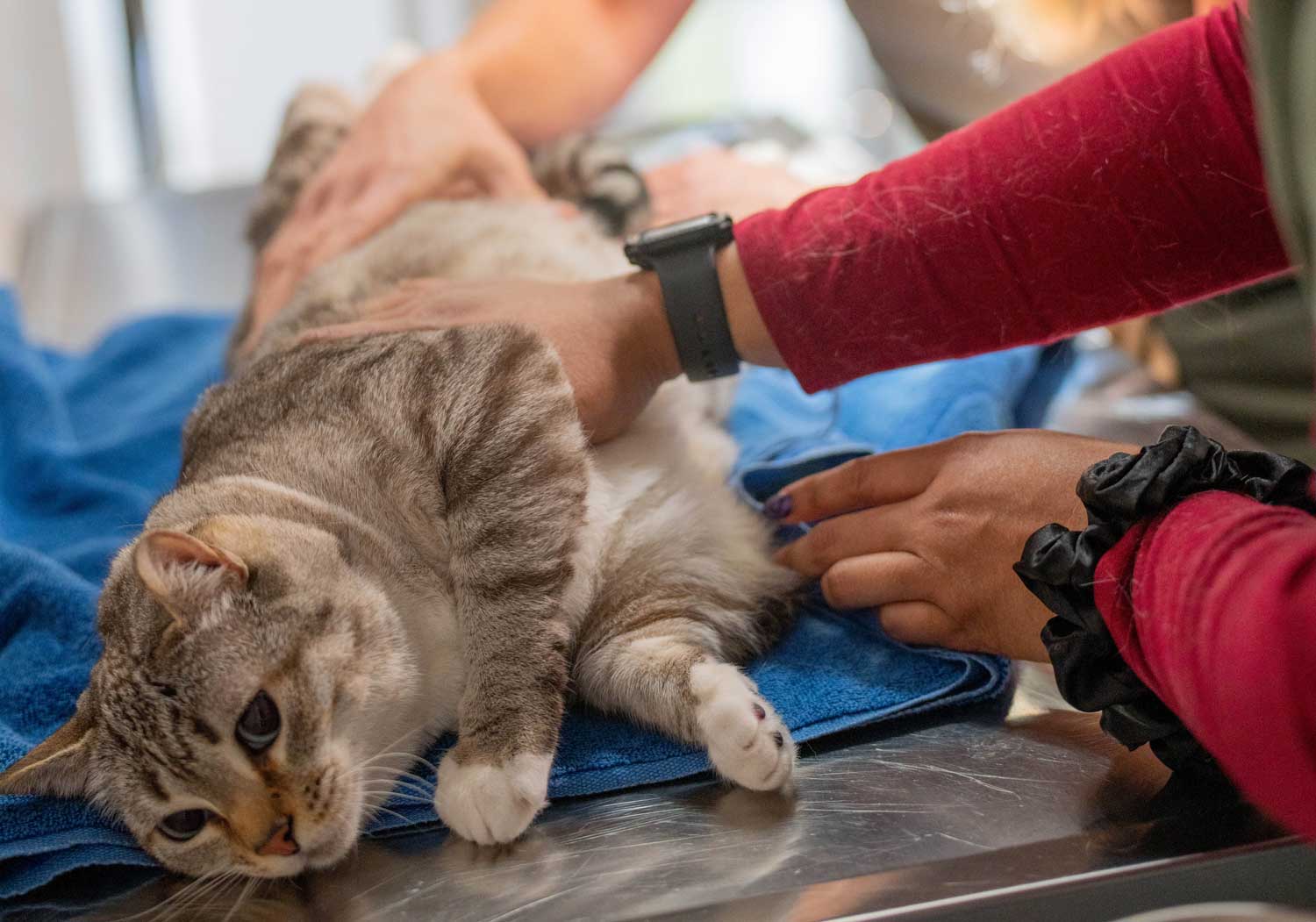
Our veterinary team at Hickory Hill Veterinary Services provides comprehensive evaluation and individualized care for pets with hip dysplasia.
Our veterinarian performs a hands-on orthopedic examination, assessing hip joint laxity, range of motion, crepitus, and pain response to identify the severity of hip dysplasia.
Digital radiographs of the pelvis and hip joints confirm the diagnosis and assess the degree of joint degeneration. Radiographs guide treatment planning and help monitor progression over time.
Based on your pet’s age, size, severity of disease, and lifestyle, our team develops a personalized treatment plan. Options include medical management, physical rehabilitation, weight management, joint supplements, and surgery when appropriate.
Hip dysplasia is a progressive condition requiring long-term management. Our team provides regular follow-up evaluations, adjusts treatment plans as needed, and supports you in optimizing your pet’s quality of life over time.

Untreated hip dysplasia is progressive and leads to worsening pain, muscle loss, and declining quality of life. Early diagnosis and intervention are key to preserving your pet’s mobility and comfort.
Medical and surgical treatment significantly reduce pain and improve joint function, allowing pets with hip dysplasia to move more comfortably and enjoy a better quality of life.
Weight management, joint supplements, physical rehabilitation, and appropriate exercise help slow the progression of arthritis associated with hip dysplasia.
For young dogs with severe hip dysplasia, surgical options such as FHO (femoral head ostectomy) or total hip replacement can provide long-term relief and excellent functional outcomes.

Hip dysplasia causes loose hip joints that lead to progressive cartilage damage, pain, and arthritis. It affects mainly large breed dogs but can occur in other breeds and species. Signs include limping, difficulty rising, and reduced activity. Our team at Hickory Hill Veterinary Services can diagnose and develop a treatment plan tailored to your pet.
Costs vary depending on whether medical management or surgery is recommended. Diagnostic radiographs, consultations, medications, and surgery each have individual fees. Call (813) 373-5924 for a personalized estimate.
For an evaluation, no preparation is needed. If surgery is recommended, pre-surgical bloodwork and fasting are required. Our team will provide complete instructions. Post-surgical recovery requires restricted activity and pain management at home.
Hip dysplasia management reduces pain, slows arthritis progression, preserves muscle mass, and improves mobility. Surgical options like FHO can provide long-term relief in appropriate candidates. Regular follow-up allows treatment adjustment as your pet’s condition evolves.
Call (813) 373-5924 or visit 26358 Hickory Hill Road, Brooksville, FL 34602. Hours: Monday, Tuesday, Thursday, Friday 9am–6pm.
Help your pet move comfortably again with expert hip dysplasia care in Brooksville. Call (813) 373-5924 or visit 26358 Hickory Hill Road, Brooksville, FL 34602. Hours: Monday, Tuesday, Thursday, Friday 9am–6pm.