
How a Cat Allergy Vet Helps Tampa Cats Breathe Easier

How a Cat Allergy Vet Helps Tampa Cats Breathe Easier
It’s August in Tampa, and while the warm, humid air can make life uncomfortable for people, it can also be a challenging time for local cats dealing with allergies. If your cat is sneezing more than usual, licking or scratching constantly, or developing red, irritated skin, you’re not alone in your concern. Allergies are a common issue for cats in Florida’s climate, and they can leave both you and your feline companion frustrated and searching for answers. At Hickory Hill Vet Services, located at 326 W. Bearss Avenue, Tampa, FL 33613, our team of veterinarians understands the challenges that cat allergies present. As a trusted cat allergy vet in Tampa, we’re dedicated to helping your cat breathe easier and live more comfortably, no matter the season.
In this guide, we’ll walk you through the most common signs of cat allergies, explain what causes them, and share how our veterinary team diagnoses and treats these frustrating conditions. You’ll also find practical tips for managing allergies at home and learn when it’s time to seek professional help. If you’re searching for a “cat allergy vet” who can provide both expertise and compassion, you’re in the right place.
Recognizing Allergy Symptoms in Tampa Cats
Understanding when your cat is suffering from allergies is the first step toward relief. In Tampa’s humid, warm climate, environmental allergens are present nearly year-round, and cats can develop a range of symptoms that might not always be obvious at first.
Common signs of allergies in cats include frequent sneezing, watery or irritated eyes, and persistent scratching or licking. You might notice your cat losing fur, developing patches of red or inflamed skin, or producing more hairballs due to excessive grooming. Some cats exhibit respiratory symptoms such as coughing or wheezing, especially when exposed to common irritants like dust, pollen, or mold spores, which are abundant in our region. Others may develop skin flare-ups or ear infections that recur despite treatment.
It’s important to recognize that these symptoms can sometimes be mistaken for other conditions, such as flea infestations or respiratory infections. If you notice any of these behaviors—especially if they persist or worsen—consider scheduling a comprehensive pet exam with your veterinary team. A cat allergy vet can help determine whether allergies are the culprit and start your cat on the path to comfort.
What Causes Allergies in Cats?
Cat allergies can be complex, with a variety of triggers contributing to symptoms. In the Tampa area, environmental allergens are a leading cause, as pollen, mold, and dust mites thrive in our humid climate. Household irritants such as scented cleaning products, cigarette smoke, and certain types of litter can also provoke allergic reactions.
Food allergies are another possibility, especially if your cat’s symptoms include gastrointestinal upset in addition to skin or respiratory issues. Some cats react to proteins in their diet, such as chicken, beef, or fish. Others may be sensitive to grains or artificial additives. Flea allergy dermatitis is also a frequent concern in Florida, where fleas are prevalent throughout the year. In these cases, even a single flea bite can trigger intense itching and skin inflammation.
Understanding the underlying cause of your cat’s allergies often requires careful observation and sometimes diagnostic testing. At Hickory Hill Vet Services, our team offers allergy testing for cats to help identify specific triggers and create a treatment plan tailored to your cat’s needs.
How a Cat Allergy Vet in Tampa Diagnoses and Treats Allergies
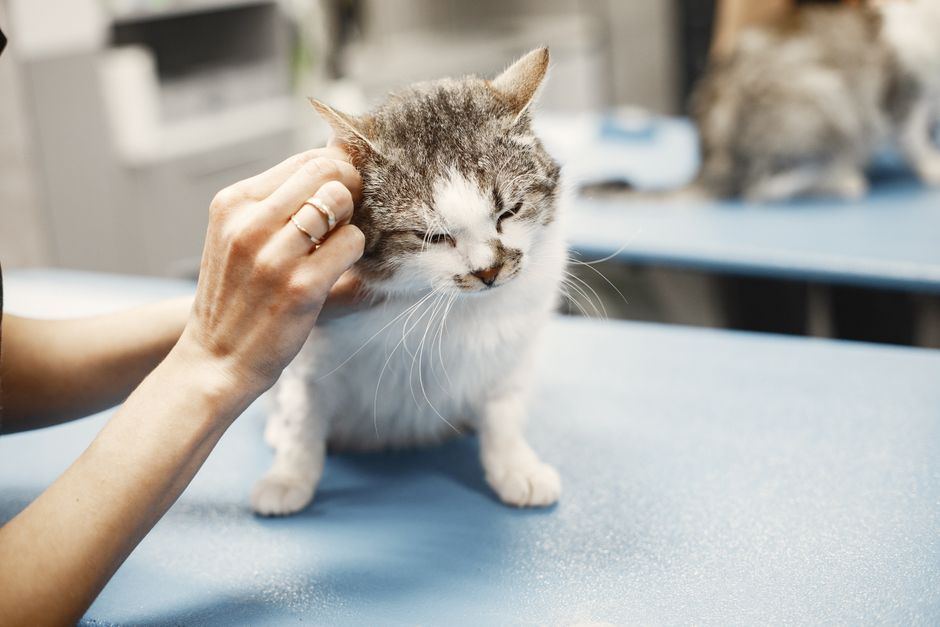
When you bring your cat to a cat allergy vet at Hickory Hill Vet Services, the diagnostic process starts with a thorough history and physical examination. Our veterinarians will ask about your cat’s symptoms, diet, environment, and any recent changes that may be contributing to their discomfort. During the examination, we assess your cat’s skin, ears, and respiratory system for signs of allergic reactions.
Diagnostic Tools and Allergy Testing
Pinpointing the cause of allergies often involves a combination of approaches. For some cats, an elimination diet may be recommended to rule out food allergies. This process requires feeding a novel or hydrolyzed protein diet for several weeks and carefully monitoring for improvement.
For environmental allergies, our veterinary team may suggest allergy testing, which can include blood tests or intradermal skin testing to identify specific allergens. These tests are particularly valuable for cats with chronic or severe symptoms, allowing for targeted therapies such as allergen-specific immunotherapy.
In cases where secondary infections are present—such as skin infections or ear problems—additional diagnostics like cytology or cultures may be needed to guide treatment.
Treatment Options for Feline Allergies
Managing cat allergies is a multifaceted process. Treatment options involve a combination of environmental management, medical therapy, and ongoing monitoring. For many cats, environmental modifications make a significant difference. This might include using air purifiers, switching to unscented litter, and vacuuming frequently to reduce dust and pollen in your home.
Medical therapy often includes antihistamines, corticosteroids, or other anti-inflammatory medications to control itching and inflammation. In some cases, omega-3 fatty acid supplements or topical therapies can help soothe irritated skin. For cats with respiratory symptoms, your veterinarian may recommend additional medications to open airways and ease breathing.
Immunotherapy, or allergy shots, may be suggested for cats with identified environmental allergens. This long-term approach can help desensitize your cat to specific triggers, reducing the severity of allergic reactions over time.
If your cat’s allergies have led to secondary conditions, such as skin infections or chronic ear problems, targeted treatments like antibiotics or medicated ear drops will be prescribed. Your cat allergy vet will tailor the plan based on your cat’s health, lifestyle, and the specifics of their allergic response.
Home Management: Helping Your Cat Stay Comfortable
While professional veterinary care is essential for diagnosing and treating allergies, what you do at home plays a major role in your cat’s comfort. Steps you can take include keeping windows closed during high pollen seasons, washing your cat’s bedding frequently, and choosing hypoallergenic cleaning products for your home. Regular flea prevention is critical in the Tampa area due to the year-round flea risk; ask your veterinary team for recommendations that are safe and effective for your cat.
If food allergies are suspected, follow your veterinarian’s instructions closely regarding diet changes. Avoid offering treats or table scraps that could contain potential allergens during a dietary trial. For cats prone to respiratory symptoms, consider using a humidifier to maintain optimal air moisture and minimize irritants in the environment.
Monitoring your cat for new or worsening symptoms, such as increased scratching, coughing, or changes in appetite, can help you and your veterinary team track progress and adjust treatment as needed. Maintaining open communication with your cat allergy vet is key to ensuring your feline companion enjoys the best possible quality of life.
When to Contact a Cat Allergy Vet
It’s natural to wonder when your cat’s symptoms require professional attention. Persistent itching, hair loss, skin redness, respiratory distress, or signs of pain are clear indications that your cat should be seen by a veterinarian. If your cat suddenly develops difficulty breathing, swelling, or severe lethargy, seek urgent veterinary care right away.
Routine symptoms such as mild sneezing or occasional scratching may not always require immediate intervention, but if these issues become more frequent or begin to affect your cat’s daily life, scheduling a comprehensive physical exam is a wise step. Early intervention can prevent complications and help your cat find relief sooner.
Our veterinary team at Hickory Hill Vet Services is committed to building long-term relationships with cat owners throughout Tampa and the surrounding communities. We’re here to provide guidance, support, and advanced care whenever you need it.
Supporting All of Your Animals: Our Mixed Animal Focus
While this guide focuses on feline allergies, Hickory Hill Vet Services is proud to offer comprehensive care for both small and large animals. Whether you have a cat suffering from seasonal allergies, a dog with chronic skin issues, or livestock needing herd health evaluations, our veterinarians have the experience and resources to support your entire animal family. Our practice is rooted in trusted relationships and preventive care, so all of your animals receive the attention and expertise they deserve.
Breathe Easier: Schedule with a Cat Allergy Vet in Tampa
If your cat has been struggling with allergies, don’t wait for symptoms to worsen. The sooner you involve a cat allergy vet, the sooner your feline companion can find comfort and relief. Our team at Hickory Hill Vet Services is here to support you with personalized allergy solutions, advanced diagnostics, and compassionate care right here in Tampa.
Ready to help your cat breathe easier? Schedule an appointment with our veterinary professionals by calling (813) 373-5924 or visiting our location on W. Bearss Avenue. For more information about allergy testing services for cats or to explore our comprehensive physical exams, our veterinary team is always ready to answer your questions.
When searching for a veterinarian near me, trust the experts at Hickory Hill Vet Services to deliver the care your cat—and all of your animals—deserve. Your cat’s comfort is our priority, every season of the year.