
Early Signs of Fall Allergies in Brooksville Pets and Livestock
Early Signs of Fall Allergies in Brooksville Pets and Livestock
Seasonal changes in Brooksville bring a welcome break from summer heat, but for many pets, horses, and livestock, the arrival of fall can also mean the start of allergy season. If you have noticed your dog scratching more, your horse rubbing its mane, or your cattle showing signs of discomfort as September humidity lingers, you are not alone. Allergies can affect animals throughout your household and operation, from the family cat curled up indoors to the herd grazing in open pastures. Recognizing early signs and understanding how to manage fall allergies is key to keeping every animal in your care healthy and comfortable.
At Hickory Hill Vet Services, our veterinary team sees a range of allergy cases this time of year. Located at 26358 Hickory Hill Road, Brooksville, FL 34602, we provide comprehensive care for both small animals and livestock, offering everything from routine checkups to advanced allergy testing services and herd health support. In this blog, we will cover how to spot early allergy symptoms in your pets and farm animals, what causes allergies during Brooksville’s humid fall, ways to minimize triggers, and when to seek veterinary help. Whether you are concerned about your family dog or your cattle herd, our goal is to help you keep every animal thriving this season.
Recognizing Allergy Symptoms in Pets, Horses, and Livestock
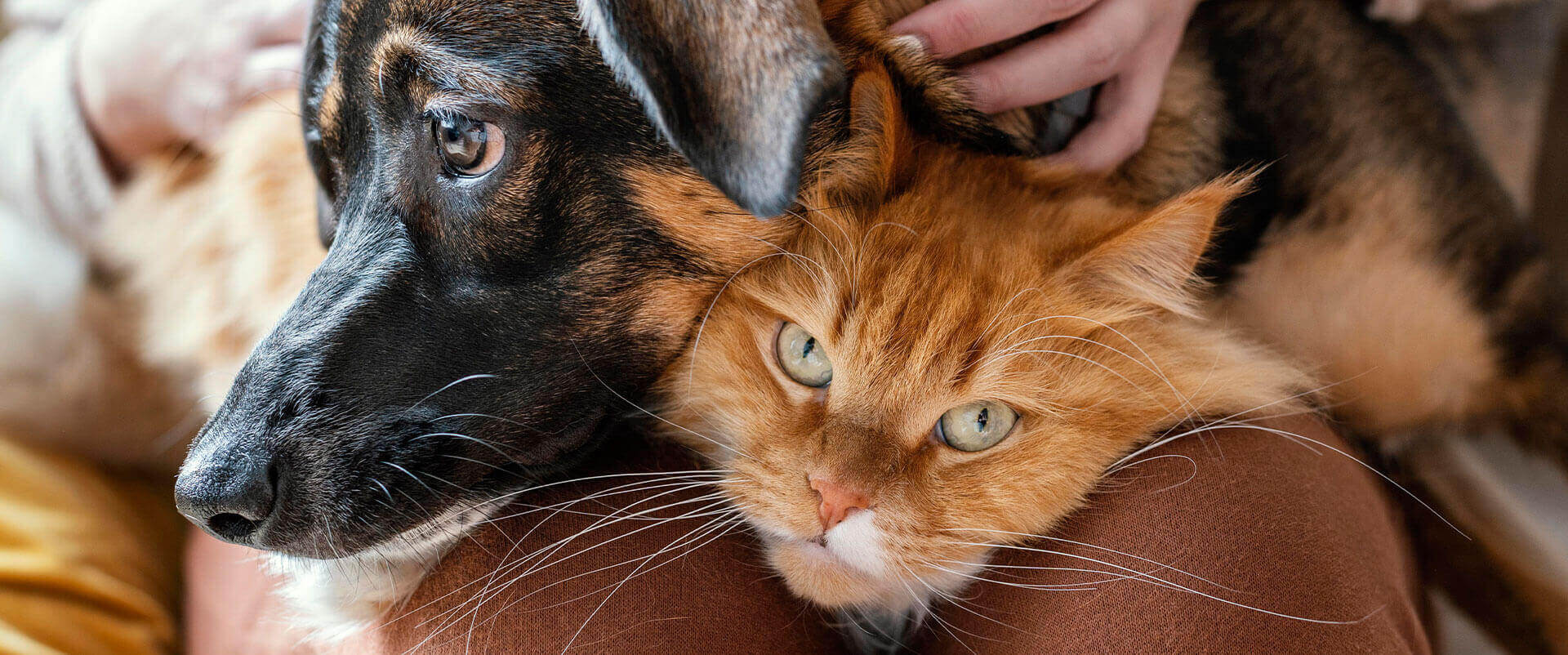
Understanding what allergies look like in different species is the first step to early intervention. For small animals such as dogs and cats, symptoms often include persistent scratching, licking at paws, watery or red eyes, sneezing, and inflamed skin. You might also notice frequent ear infections, chewing at the base of the tail, or patches of hair loss. Cats can sometimes show more subtle signs, such as excessive grooming or small scabs along the neck and back.
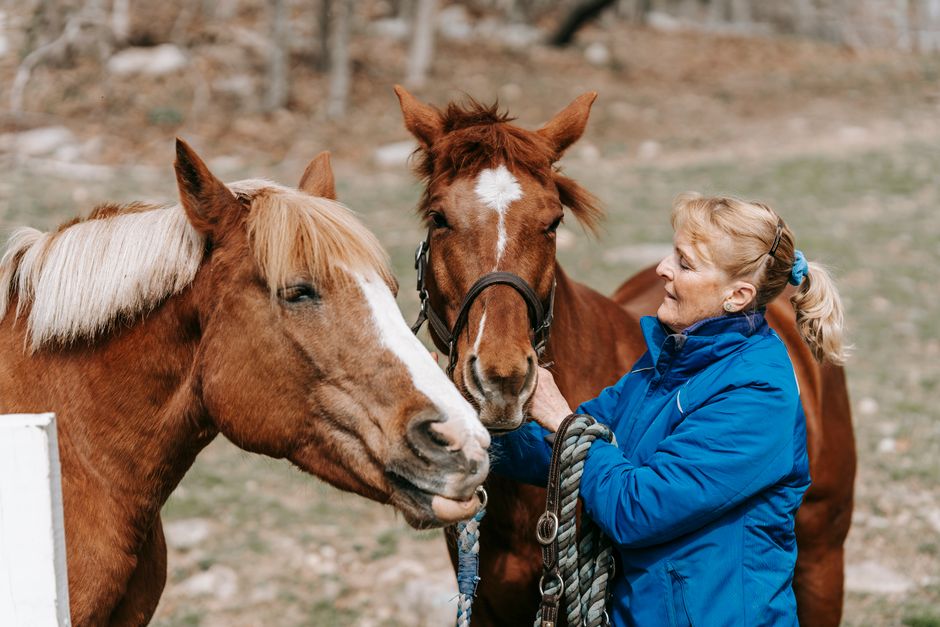
For horses, fall allergies frequently present as head shaking, rubbing the mane or tail, watery eyes, nasal discharge, and coughing—especially during early morning turnout when pollen counts are higher. Horses may develop hives or welts, and performance horses might seem more irritable or less willing to work.
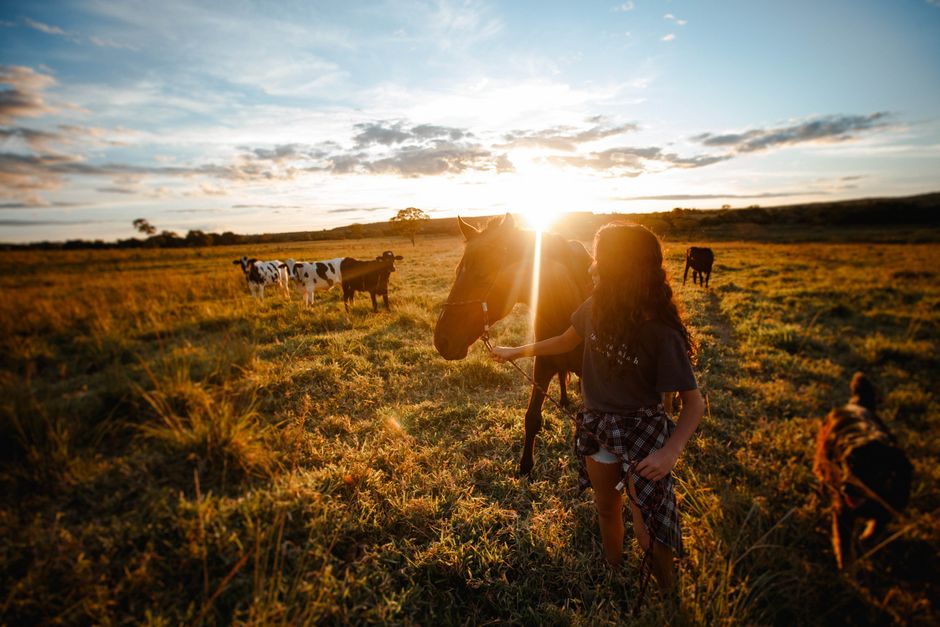
Livestock such as cattle, goats, and sheep seldom show classic sneezing or itching, but producers should watch for animals rubbing against fences or posts, scabby or thickened skin, watery eyes, nasal discharge, and a drop in feed intake or milk production. Respiratory signs, such as increased coughing, can also occur in dusty or moldy conditions common during the fall haying season.
Spotting these early warning signs in your pets or herd members helps you intervene before discomfort escalates and allows for a smoother management plan with your veterinary team.
Why Do Fall Allergies Flare Up in Brooksville?
Brooksville’s fall brings a unique set of allergy triggers for both companion animals and livestock. One major culprit is the abundance of airborne pollens from ragweed, goldenrod, and other late-blooming plants, which thrive in the region’s humid environment. Warm, rainy weather in early fall also encourages the growth of mold in pastures, barns, and even the home, exposing animals to additional allergens.
For pets, spending more time outdoors as temperatures drop can lead to increased exposure to grass, weed pollens, and molds clinging to fur and paws. Dogs that romp through leaf piles or cats that nap near open windows may develop irritation from these allergens.
Horses are especially sensitive to inhaled allergens such as molds found in bedding and hay, as well as dust from late-season baling and feeding. Respiratory allergies, sometimes called “heaves” or equine asthma, can be triggered or worsened by increased pollen and mold content in feed or the barn environment.
For livestock, the combination of damp pastures, decaying plant matter, and close contact in barns or holding pens creates prime conditions for skin irritation and respiratory allergies. Producers may notice issues rising after rainy spells when animals are confined on wet ground or eating stored feed.
Recognizing that fall allergies are driven by environmental conditions helps guide both prevention and treatment for all the animals in your care.
Allergy Treatment and Professional Veterinary Support
When allergies start to impact your animal’s comfort or productivity, a visit with our veterinary team at 26358 Hickory Hill Road, Brooksville, FL 34602 can make a significant difference. For pets, diagnosing allergies may begin with a thorough examination and discussion of recent changes in environment or routine. In some cases, our veterinarians may recommend allergy testing services to identify specific triggers, allowing for targeted management.
Treatment for pets often includes medicated shampoos, prescription antihistamines, or topical treatments to control itching and inflammation. For more severe cases, your veterinarian might suggest immunotherapy or tailor a plan to manage secondary skin infections or ear issues.
Horses with allergy symptoms benefit from veterinary evaluation to rule out more serious causes of respiratory distress or skin disease. Treatments may involve environmental management, such as soaking hay to reduce dust, using hypoallergenic bedding, or administering veterinarian-prescribed anti-inflammatories. In some cases, allergy testing or immunotherapy can be considered for ongoing issues.
For livestock, the approach is often herd-based. Our large animal veterinarians can help producers identify environmental triggers, improve barn or pasture management, and address herd health with targeted large animal wellness services. Treatments may involve medicated topical sprays, anti-inflammatory injections, or feed adjustments to minimize exposure to problem allergens. Addressing ventilation in barns and keeping bedding dry are also crucial steps.
Throughout all species, our veterinary team works with you to develop a practical, tailored treatment plan that fits your animal’s needs and your operation’s workflow.
Minimizing Fall Allergy Triggers at Home and on the Farm
Preventing allergies begins with reducing exposure to common triggers. For pet owners, wiping your dog’s paws and coat after outdoor walks helps remove pollen and mold spores before they come inside. Regular bathing with veterinarian-recommended shampoos can keep skin healthy and reduce itching. Keeping windows closed during high pollen days and using air purifiers indoors may also help sensitive pets.
In the barn, horse owners can reduce allergy risk by feeding hay at ground level to limit dust inhalation, soaking hay before feeding, and choosing dust-free bedding. Removing wet or moldy straw promptly and increasing barn ventilation are effective steps to protect both horses and livestock. Rotating pastures and removing fallen leaves or decaying plant matter can decrease environmental allergens for grazing animals.
Producers should pay special attention to the condition of stored feed and bedding—keeping these materials dry and well-ventilated prevents mold growth. Regular cleaning of water troughs, feeding equipment, and animal housing further reduces potential irritants. When moving livestock indoors during storms or cooler nights, ensure ample airflow and avoid overcrowding to minimize respiratory flare-ups.
By proactively managing your home or operation’s environment, you can help keep allergy symptoms at bay for every animal in your care.
When to Contact Your Veterinarian About Allergies
While mild allergy symptoms can sometimes be managed at home or on the farm, certain situations call for prompt veterinary attention. For pets, seek professional care if you notice persistent scratching resulting in open sores, frequent ear infections, difficulty breathing, or sudden swelling of the face or limbs. Unexplained hair loss, red and inflamed skin, or behavioral changes such as restlessness may also indicate a need for intervention.
Horse owners should call their veterinarian if their horse develops hives, persistent coughing, labored breathing, or stops eating. Horses with severe skin irritation or those that seem uncomfortable during work or turnout require thorough evaluation.
Producers should reach out to their large animal veterinarian if a significant portion of the herd or flock displays respiratory distress, decreased feed intake, or unexplained drops in production. Rapidly spreading skin lesions or eye discharge in multiple animals also warrant prompt attention, as these may indicate infectious conditions that can spread quickly.
At Hickory Hill Vet Services, we encourage you to schedule an appointment if you have any concerns about allergy symptoms, whether in your pet, your horse, or your herd. Our veterinary professionals are equipped to provide comprehensive physical examinations, herd health support, and targeted treatment to keep your animals healthy all season long.
Supporting Your Animals Through Brooksville's Allergy Season
Fall allergies are a common challenge for both pet owners and producers in the Brooksville area. By staying alert to early symptoms—whether it is your dog’s itchy skin, your horse’s nasal discharge, or your livestock’s rubbing and coughing—you can take proactive steps to keep every animal comfortable and healthy.
If you are looking for a veterinarian near me who understands the unique needs of both pets and livestock, Hickory Hill Vet Services is here for you. Our experienced team provides allergy care, comprehensive exams, and preventive wellness for animals large and small. If you have questions or want to schedule an appointment, please call us at (813) 373-5924 or visit 26358 Hickory Hill Road, Brooksville, FL 34602.
Whether you need help managing persistent allergy symptoms or want advice on keeping your herd healthy through Brooksville’s humid fall, our veterinary team is dedicated to supporting you and your animals every step of the way. For more information on wellness and allergy care, explore our allergy testing services and large animal wellness programs. Let us help you make this fall a comfortable, productive season for your entire household and operation.