

How a Cat Allergy Vet Can Help Itchy Cats in Brooksville
How a Cat Allergy Vet Can Help Itchy Cats in Brooksville
If you have noticed your cat scratching more than usual this fall, you are not alone. Many pet owners in Brooksville and the surrounding areas experience a sudden uptick in feline itchiness and skin issues as the seasons change. At Hickory Hill Vet Services, our team understands how frustrating and concerning it can be to see your cat uncomfortable day after day. Allergies are a common but often misunderstood cause of feline skin problems, and a cat allergy vet can play a crucial role in identifying triggers and providing effective relief. In this blog, we will explore the most common signs of cat allergies, what causes them, how our veterinarians diagnose and treat these conditions, and what you can do at home to support your cat’s comfort and skin health. You will also learn when it is time to schedule an appointment at our Brooksville location for a professional evaluation. If you are searching for a trusted cat allergy vet in Brooksville, you are in the right place.
Recognizing Allergy Symptoms in Cats
It can be easy to mistake the occasional scratch for normal grooming behavior; however, persistent itching and skin irritation are often the first signs that something is wrong. Cats with allergies may show a variety of symptoms, including frequent scratching around the head, neck, and ears. You may notice your cat over-grooming, which can lead to thin patches of fur or bald spots, especially along the belly, legs, or tail base. Other warning signs are red, inflamed skin, small scabs or bumps (sometimes called miliary dermatitis), and even open sores from excessive licking or biting. Some cats will shake their heads or paw at their face if their ears are affected. Along with skin changes, allergies can sometimes cause sneezing, watery eyes, or digestive upset, depending on the trigger.
Allergy symptoms can be subtle at first, but over time, chronic discomfort can affect your cat’s mood and overall health. If you are seeing these changes in your cat, it is important not to ignore them. Early intervention by a qualified cat allergy vet can make a significant difference in your cat’s quality of life.
What Causes Allergies in Cats?
Just like people, cats can develop sensitivities to a wide range of environmental and dietary factors. The most common culprits in our region include fleas, pollen, mold spores, and dust mites. Flea allergy dermatitis is especially prevalent in Florida’s warm, humid climate, where flea populations remain active for much of the year. Even a single flea bite can provoke a severe reaction in sensitive cats.
Seasonal allergies often flare up in the fall and spring, when pollen counts are high and outdoor allergens are more prevalent. Indoor allergens, such as dust mites and mold, can cause year-round symptoms, particularly in homes with older carpeting or poor ventilation. Food allergies are another possibility; these usually develop over time and may be triggered by proteins in chicken, beef, fish, or grains. In some cases, cats may react to chemicals in household cleaners or even certain fabrics.
It is important to remember that every cat is unique, and multiple factors can contribute to allergy symptoms. Because the underlying causes are not always obvious, reaching out to a cat allergy vet is the best way to pinpoint the source of your cat’s discomfort.
How a Cat Allergy Vet Diagnoses and Treats Feline Allergies
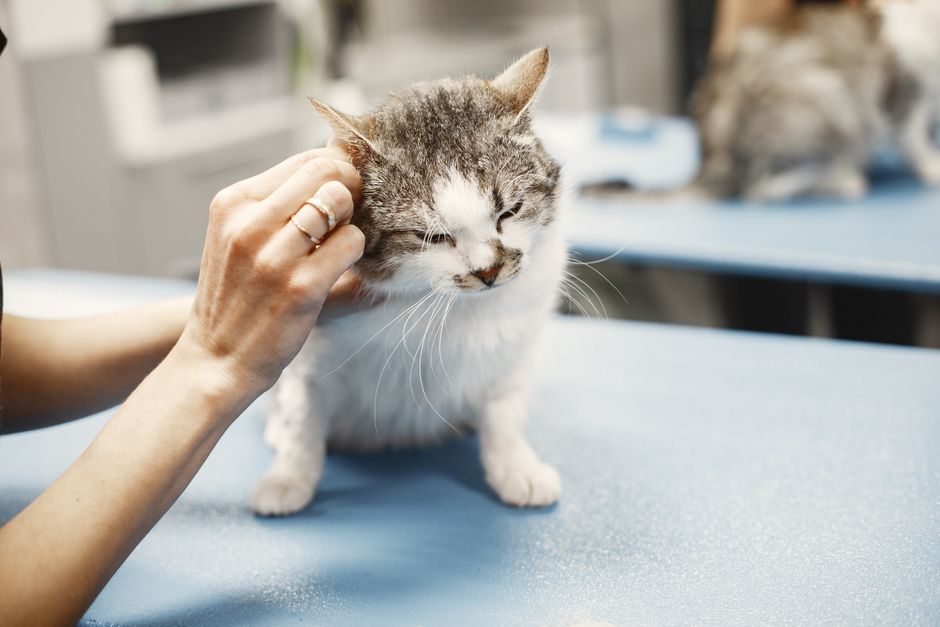
When you bring your cat to Hickory Hill Vet Services for allergy concerns, our veterinarians begin with a thorough physical examination and a detailed history of your cat’s symptoms and environment. We may ask you about diet changes, flea prevention, recent grooming products, and any changes around the home. A careful visual exam allows us to assess the pattern and severity of skin lesions, which often provides valuable diagnostic clues.
Depending on the findings, we may recommend diagnostic tests such as skin scrapings to rule out mites or infections, or blood work to check for underlying health issues. For persistent or complex cases, our team may suggest veterinary allergy testing services to help identify specific allergens. These tests can involve blood panels or intradermal skin testing, depending on what is appropriate for your cat's needs.
Treatment approaches involve several steps. For flea allergy cases, strict flea control is essential; this means using veterinarian-recommended preventives on all pets in the household and treating the environment to minimize exposure. For environmental allergies, management may include regular bathing with hypoallergenic shampoos, prescription medications to control itching (such as antihistamines or corticosteroids), and in some cases, immunotherapy to gradually desensitize your cat to specific allergens. Food allergies are typically addressed through a carefully planned elimination diet, which involves feeding a novel or hydrolyzed protein source for several weeks and monitoring for improvement.
Throughout treatment, our veterinary team will work closely with you to customize a plan that suits your cat’s lifestyle and your family’s preferences. We understand that ongoing support and clear communication are key to helping your cat feel comfortable again.
Home Care Strategies for Itchy Cats
While professional veterinary care is essential for diagnosing and managing cat allergies, there are steps you can take at home to make life easier for your itchy cat. For cats with environmental allergies, keeping windows closed during high pollen days, using air purifiers, and vacuuming frequently can help reduce allergen load inside your home. Regularly washing your cat’s bedding with fragrance-free detergents, and minimizing the use of scented cleaning products or sprays, can also be beneficial.
For flea allergy dermatitis, consistent use of prescribed flea preventives is the cornerstone of home management. Be sure to treat all pets in the household, not just your affected cat, and follow your veterinarian's instructions closely for best results.
In cases of suspected food allergies, do not change your cat's diet without consulting your veterinarian first. Elimination diets need to be very controlled to be effective, and accidental treats or table scraps can interfere with results. Our veterinarians are here to guide you through each step of the dietary trial and help you choose the right products.
Gentle grooming can help soothe itchy skin and remove loose fur or debris. If your cat tolerates it, using a damp washcloth to gently wipe down the coat after time outdoors may help remove pollen or dust.
When to Seek Veterinary Care for Cat Allergies
It can be tempting to try over-the-counter remedies or hope that your cat’s itching will resolve on its own. However, persistent scratching, hair loss, or skin infections are all signs that a veterinary visit is needed. If your cat is developing open sores, has stopped eating, or seems withdrawn, these are urgent indicators that professional help is required.
Attempting to treat allergies at home without a proper diagnosis can lead to ongoing discomfort and even secondary infections. Our veterinary team at Hickory Hill Vet Services is skilled in recognizing the subtle differences between allergies, parasites, infections, and other skin conditions. We encourage you to reach out as soon as you notice changes in your cat’s behavior or appearance.
For those wondering if their cat’s symptoms warrant a visit, common situations that merit prompt attention include persistent head shaking, frequent vomiting or diarrhea, rapid development of bald spots, or significant swelling around the face or paws. Early intervention can prevent small problems from becoming major ones.
Why Choose Hickory Hill Vet Services as Your Cat Allergy Vet in Brooksville
Finding the right support for your cat’s allergy issues can be overwhelming, especially when symptoms are chronic or seem to worsen with time. At Hickory Hill Vet Services, we are dedicated to providing compassionate, comprehensive care for both cats and other companion animals. Our team of veterinarians stays up to date on the latest advances in allergy diagnosis and management, ensuring your cat receives the best possible care at every stage.
Whether your cat needs allergy testing services, ongoing management for chronic skin problems, or support through dietary changes, we are here to help you every step of the way. Our location on 26358 Hickory Hill Road, Brooksville, FL 34602 makes us easily accessible for families in Brooksville and surrounding communities.
If you are searching for a veterinarian near me who truly understands feline allergies, contact our clinic today to schedule an appointment. You can reach us at (813) 373-5924, and our friendly team will be happy to assist you in finding a convenient time for your visit.
Your cat deserves to feel comfortable and happy year-round. Let our cat allergy vet team help restore your cat’s health and peace of mind this season. For more information or to book your consultation, reach out to Hickory Hill Vet Services—trusted care for every member of your family, furry or otherwise.