
Equine Dental Care Tips for Brooksville Horse Owners
Equine Dental Care Tips for Brooksville Horse Owners
Caring for your horse’s teeth is a crucial part of supporting their overall health, comfort, and performance, especially as we head into the fall riding season here in Brooksville. At Hickory Hill Vet Services, located at 26358 Hickory Hill Road, Brooksville, FL 34602, our team of veterinarians understands that equine dental health often gets overlooked until problems become obvious. Yet, regular dental care can prevent discomfort, behavioral changes, and even more serious health complications down the road. In this guide, we’ll walk Brooksville horse owners through the essentials of equine dental care, including how to spot dental problems early, why they occur, what professional treatment looks like, and how to keep your horse’s mouth healthy between veterinary visits. Whether you have a seasoned barrel racer, a young pleasure horse, or a retired companion, keeping up with dental care is key to ensuring a comfortable and productive season.
Recognizing Dental Issues in Horses
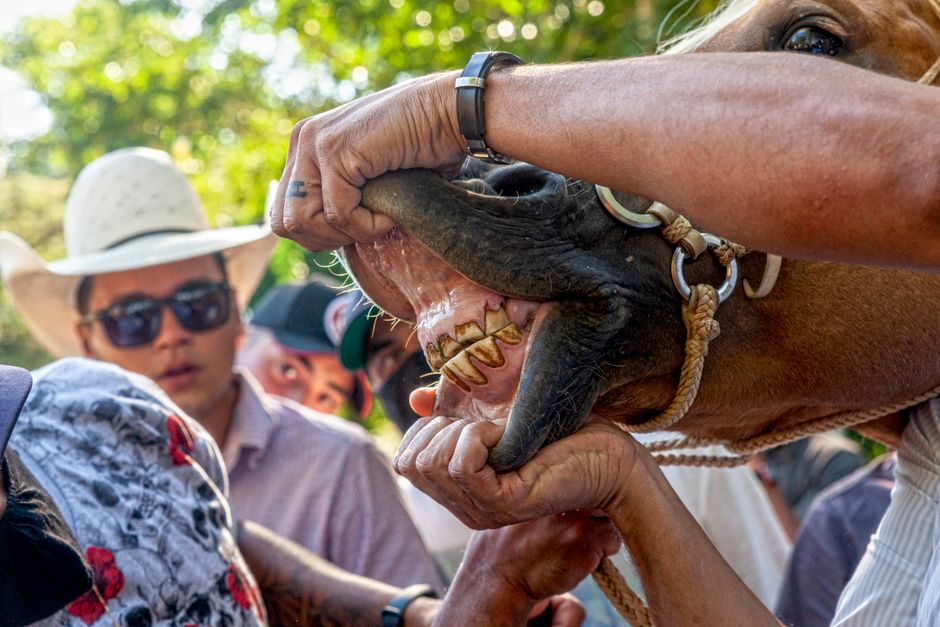
It can be easy to miss the subtle early signs of dental disease in horses, especially if you are new to equine care or if your horse is stoic by nature. Horses are prey animals and often hide discomfort until the issue becomes advanced. Common symptoms of dental problems in horses include dropping feed while chewing (quidding), excessive salivation, slow or difficult chewing, head tossing under saddle, and reluctance to accept the bit. You might also notice weight loss, undigested grain in manure, foul odor from the mouth, or swelling along the jaw. In some cases, horses may develop unusual behaviors such as cribbing or resistance during bridling, which can all point toward underlying dental discomfort.
These changes can occur gradually, so it’s important to pay attention to any shifts in eating habits or attitude, especially during seasonal transitions when forage changes or training routines intensify. Regularly examining your horse’s mouth and watching for these warning signs can help you catch problems early, before they affect your horse’s condition or performance.
Why Do Horses Develop Dental Problems?
Horses’ teeth are specialized for a grazing lifestyle; their molars and premolars grow continuously throughout much of their life, and natural chewing motions help grind teeth down. In the wild, horses graze for many hours a day, wearing their teeth evenly as they tear tough grasses. However, most domestic horses have diets that include softer hay, processed feeds, or limited grazing, which can result in uneven tooth wear. This can lead to sharp enamel points, hooks, ramps, and even wave mouth, where the chewing surface becomes irregular.
Other factors contributing to dental problems include genetics, jaw conformation, age, and retained baby teeth in younger horses. Performance horses, in particular, may be more prone to dental issues due to the demands of bitting and intensive training. Additionally, older horses often experience tooth loss, periodontal disease, or loose teeth, making it even more important to monitor their dental health. Environmental factors, such as sandy soil common in the Brooksville area, can also cause accelerated tooth wear or dental abrasions over time.
Professional Equine Dental Care: What to Expect
A thorough dental examination by a veterinarian is essential for identifying and correcting dental issues before they become severe. At Hickory Hill Vet Services, our equine veterinary team recommends a comprehensive oral exam at least once a year for most adult horses, though some may require more frequent checks based on age, use, or previous dental history. The process begins with a sedated oral exam, allowing the veterinarian to examine every tooth in detail using a speculum and specialized lighting.
If sharp points, hooks, or other irregularities are found, the next step is a dental floating procedure. Floating involves smoothing and contouring the teeth using power or hand tools to remove sharp edges and restore proper alignment. This service helps your horse chew comfortably, reduces the risk of mouth ulcers, and encourages better acceptance of the bit. For more complex dental problems, such as fractured teeth, abscesses, or retained caps, advanced procedures may be required. You can learn more about this essential service on our page about equine teeth floating services.
In certain situations, dental radiographs may be necessary to diagnose problems below the gumline, such as tooth root abscesses, impacted teeth, or sinus involvement. These advanced imaging techniques allow our veterinarians to create a precise treatment plan. If surgical intervention is needed, such as extraction of a diseased tooth or correction of severe abnormalities, our team is equipped to provide both tooth extraction services and dental surgery for complex cases.
Preventive Dental Care and Home Management
While professional dental care is the cornerstone of equine oral health, there is much you can do at the barn to support your horse’s comfort between visits. Providing a diet that encourages natural chewing, such as free-choice pasture grazing or long-stemmed hay, helps promote even tooth wear. Make sure your horse has constant access to clean water and consider soaking feed for senior horses or those with missing teeth to make eating easier.
Regularly observe your horse at feeding time. Notice how long it takes them to eat their hay, whether they drop partially chewed food, or if they appear to favor one side of their mouth. Checking your horse’s manure for long, undigested fibers can also provide clues about their chewing effectiveness. Maintain a consistent dental care schedule with your veterinarian to address problems before they cause pain or weight loss. For herds or barns with several horses, keeping a written record of each horse’s dental treatments and any changes in feeding behavior can help you and your veterinary team track trends over time.
For additional support of your horse’s overall well-being, consider discussing large animal wellness services at your next appointment, as dental health is closely linked to nutrition, body condition, and disease prevention.
When Should Horse Owners Seek Veterinary Dental Care?
Some dental issues can develop gradually, but others may require prompt attention. If your horse suddenly refuses feed, shows signs of severe pain, develops swelling along the jaw or face, or experiences nasal discharge with a foul odor, it is important to contact your veterinarian right away. These symptoms can indicate infections, fractured teeth, or other urgent dental problems that may worsen without timely intervention.
Routine dental exams should be part of every horse’s health program, especially for young horses shedding their baby teeth, performance horses in active training, and seniors who may struggle with tooth loss. If you notice weight loss despite adequate feed, changes in attitude under saddle, or persistent resistance to bridling, do not wait for your horse’s annual check-up; schedule an exam to rule out dental discomfort. Early intervention can prevent complications such as choke, colic, or chronic mouth pain, keeping your horse healthy and productive.
For those new to equine ownership in Brooksville and surrounding communities, establishing a relationship with a trusted veterinary team like ours can make all the difference in managing your horse’s lifelong dental needs.
Supporting Brooksville Horse Owners with Comprehensive Dental Care
Equine dental care is a vital part of keeping your horse healthy, comfortable, and able to perform at their best. By recognizing early warning signs, understanding what causes dental issues, and partnering with a knowledgeable veterinary team, you can help prevent problems before they impact your horse’s quality of life. At Hickory Hill Vet Services, we take pride in supporting Brooksville horse owners with personalized dental care plans, advanced diagnostics, and ongoing wellness programs.
If you are searching for a veterinarian near me who understands the unique needs of horses, our experienced team is here to help. Schedule a dental examination or consultation today by calling (813) 373-5924, or visit us at 26358 Hickory Hill Road, Brooksville, FL 34602. You can also explore our equine teeth floating services and large animal wellness options to learn more about how we support your horse’s health through every season.
Your horse relies on you to notice subtle changes and to advocate for their care. By working with our veterinary professionals, you can confidently address dental concerns and ensure your horse enjoys many more healthy, happy years in the barn and beyond. For more information or to schedule your horse’s next dental evaluation, reach out to Hickory Hill Vet Services today.