
When to See a Cat Allergy Vet in Brooksville
When to See a Cat Allergy Vet in Brooksville
If your cat has been itching, sneezing, or showing unusual skin issues, you are not alone—many cat owners in Brooksville and surrounding communities notice a spike in feline allergy symptoms as seasons change, especially during October. Allergies in cats can be subtle or severe, but knowing when to seek help from a cat allergy vet can make all the difference for your feline’s comfort and long-term health. At Hickory Hill Vet Services, our team of veterinarians is dedicated to helping you navigate these concerns with thorough, compassionate care right here at 26358 Hickory Hill Road, Brooksville, FL 34602. In this blog, we’ll help you recognize key signs of cat allergies, explain common causes, discuss what to expect from treatment, and offer practical steps you can take at home. If you are worried about your cat’s symptoms, or simply want to understand when it’s time to see a cat allergy vet, you’ll find answers and peace of mind below.
Recognizing the Signs: Is It Time to See a Cat Allergy Vet?
Cats are masters at hiding discomfort, but allergy symptoms can show up in a variety of ways that attentive owners may spot. Key signs of allergies in cats include persistent itching or licking, which often results in bald spots or red, irritated skin. You might notice sneezing, frequent ear infections, watery eyes, or even a runny nose. Some cats develop scabs or sores along their back or neck, while others may struggle with digestive upset such as vomiting or diarrhea. If your cat is shaking their head, scratching at their ears, or seems restless and uncomfortable, these could be additional clues.
As October brings changes in pollen and indoor air quality in Brooksville, many cats experience flare-ups this time of year. Seasonal allergies often present as increased grooming, sneezing, or scratching that coincides with changes outside. However, allergies can also be triggered by food, fleas, or even dust mites in the home. If you notice your cat’s symptoms are persistent, seem to worsen at certain times, or are interfering with daily life, it’s important to consult a cat allergy vet for a thorough evaluation.
What Causes Allergies in Cats?
Allergies in cats can be complex, with several possible underlying triggers. Environmental allergens are among the most common, including pollen from grasses and trees, mold spores, or dust mites that thrive indoors. In Brooksville and its humid surroundings, mold and pollen counts can fluctuate rapidly, leading to seasonal spikes in symptoms.
Flea allergy dermatitis is another frequent culprit. Even a single flea bite can cause intense itching and skin problems in sensitive cats, making year-round flea control essential. Food allergies are less common but can still occur, especially to ingredients like chicken, fish, dairy, or grains. Cats may also react to cleaning products, perfumes, or fabrics in the home.
Understanding the specific cause of your cat’s allergies often requires a careful approach. Your cat allergy vet may ask detailed questions about your cat’s environment, diet, and recent changes in routine. In some cases, diagnostic testing, such as veterinary allergy testing services or laboratory evaluations, can help pinpoint the exact trigger and develop a targeted treatment plan.
How a Cat Allergy Vet Diagnoses and Treats Feline Allergies
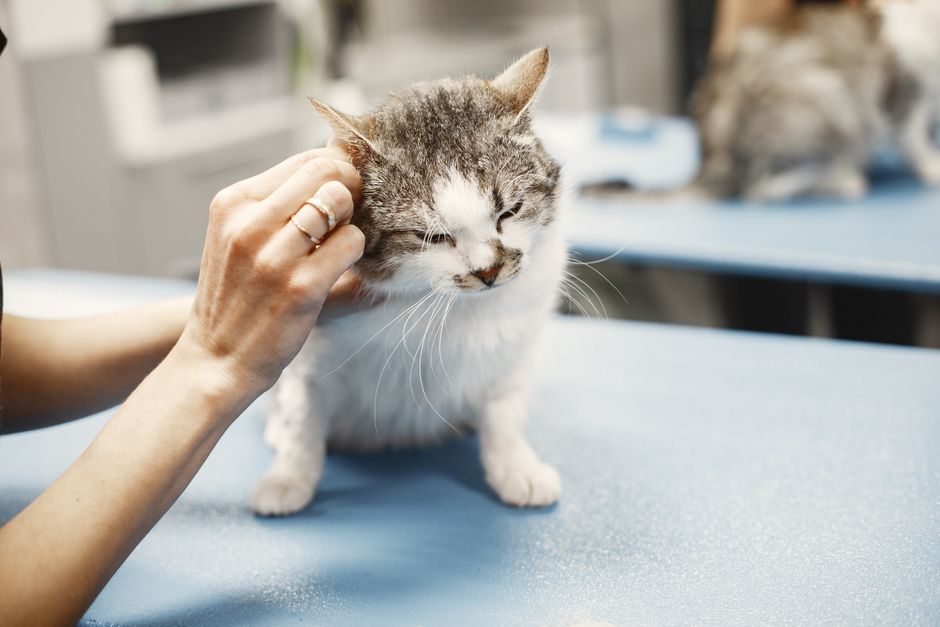
Visiting a cat allergy vet at Hickory Hill Vet Services means your cat will receive a comprehensive evaluation to uncover the root cause of their discomfort. The process usually starts with a comprehensive veterinary physical examination to assess your cat’s skin, coat, ears, and overall health. The veterinary team may recommend additional diagnostic steps, such as skin scrapings, blood work, or diagnostic laboratory services to rule out underlying infections or parasites.
If an environmental allergy is suspected, your veterinarian might suggest intradermal skin testing or serum allergy testing to identify specific allergens. When food allergies are a concern, a prescription elimination diet may be recommended to isolate problem ingredients. For cats with suspected flea allergies, the first step is always establishing strict flea control, which your veterinarian can tailor for your household.
Treatment approaches for cat allergies involve a blend of medical management and environmental adjustments. For mild cases, antihistamines or topical treatments may help relieve itching. More severe or chronic allergies may require prescription medications such as corticosteroids, immunotherapy (allergy shots), or tailored diets. Ongoing management often includes regular check-ins with your cat allergy vet to monitor progress and make adjustments as needed.
Home Care and Prevention: Supporting Your Cat's Comfort
While professional veterinary care is essential for diagnosing and treating allergies, there are several steps you can take at home to support your cat’s comfort. Regular cleaning of bedding, vacuuming floors, and using air purifiers can reduce allergen levels in your home. If your cat is allergic to pollen, wiping their fur and paws with a damp cloth after outdoor access helps remove irritants. For cats with food sensitivities, feeding a consistent, veterinarian-recommended diet is crucial.
Flea prevention is especially important in Florida’s warm climate, as fleas can thrive year-round. Speak with your veterinarian about the safest and most effective flea control products for your household. Avoid using scented cleaners or air fresheners near your cat, and consider hypoallergenic grooming products if skin sensitivity is a concern.
Remember, while these measures can help minimize flare-ups, they should be used in conjunction with the tailored treatment plan developed by your cat allergy vet. Never give your cat over-the-counter medications or remedies without veterinary guidance, as some products may be harmful to cats.
When Should You See a Cat Allergy Vet?
Knowing when to seek veterinary care is key to keeping your cat healthy and comfortable. If your cat’s symptoms are persistent, worsening, or causing visible distress, schedule an appointment with Hickory Hill Vet Services. Warning signs that require prompt attention include severe itching that leads to open sores, persistent vomiting or diarrhea, significant hair loss, or sudden changes in behavior such as hiding or aggression. Cats with chronic ear infections or recurrent respiratory symptoms should also be evaluated, as these can indicate underlying allergies or secondary infections.
If you are unsure whether your cat’s symptoms warrant a visit, our veterinary team is always happy to provide guidance. Early intervention helps prevent complications and brings relief sooner, improving your cat’s quality of life. For urgent situations where your cat is having trouble breathing, experiencing facial swelling, or is unable to eat or drink, contact us immediately for emergency veterinary care.
Expert Allergy Care for Cats at Hickory Hill Vet Services
Whether you are dealing with seasonal allergies, food sensitivities, or unexplained skin issues, Hickory Hill Vet Services is your trusted resource for comprehensive veterinary care in Brooksville and surrounding communities. Our experienced team of veterinarians is dedicated to helping cats live happier, healthier lives through personalized allergy management and ongoing support. When searching for a veterinarian near me who truly understands feline allergies, you can count on our expertise and compassion.
Ready to schedule an appointment with a cat allergy vet? Call us at (813) 373-5924 to speak with our veterinary professionals or book a visit online. For more information about our veterinary allergy testing services, comprehensive veterinary physical examinations, or diagnostic laboratory services, explore our website at hickoryhillvet.com.
With the right care, your cat can thrive—no matter the season. If you have questions or need support, Hickory Hill Vet Services is here to help you and your feline companion every step of the way.