
How Vets Tampa Trust Handle Summer Pet and Livestock Care

How Vets Tampa Trust Handle Summer Pet and Livestock Care
Summer in Tampa brings a unique set of challenges for both pet owners and agricultural producers. With high humidity, soaring temperatures, and unpredictable summer storms, keeping animals comfortable and healthy requires careful attention and proactive care. At Hickory Hill Vet Services, located at 326 W. Bearss Avenue, Tampa, FL 33613, our team of veterinarians understands these seasonal concerns firsthand. Whether you are a pet owner worried about your dog’s risk of overheating on daily walks or a producer evaluating your herd’s needs out on pasture, the expertise of vets Tampa families and farms trust is essential for maintaining animal well-being through the toughest months of the year.
In this blog, we will walk you through how summer heat, humidity, and storms affect both companion animals and livestock. You’ll learn how to recognize early signs of trouble, understand the underlying causes, and implement effective strategies for prevention and management. We’ll also cover when it’s time to call on the veterinary professionals at Hickory Hill Vet Services for help, ensuring every animal under your care—whether it has paws or hooves—stays healthy, comfortable, and safe all summer long.
Recognizing Summer Health Risks for Pets and Livestock
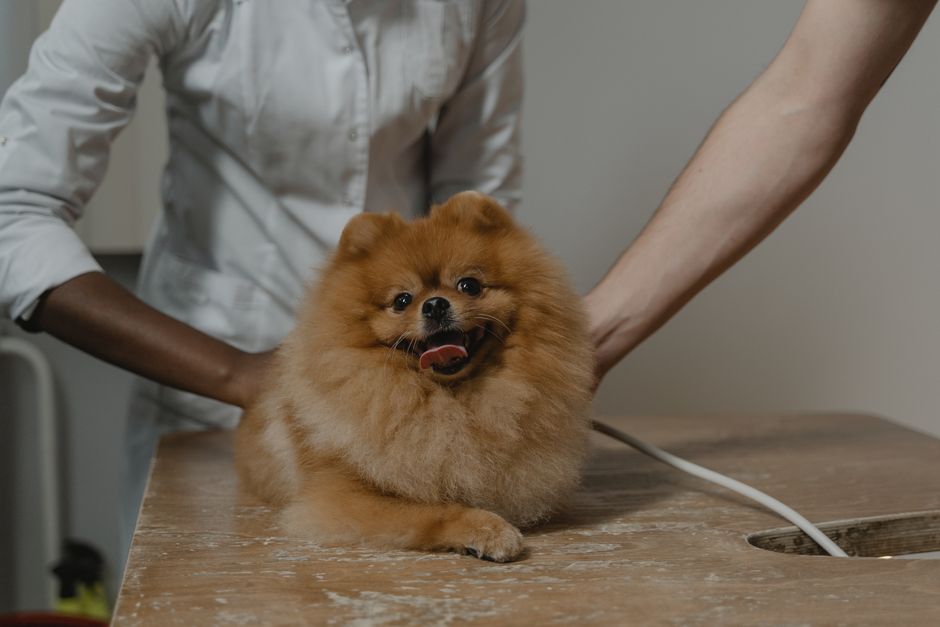
No matter if you are caring for a loyal dog at home or managing a herd of cattle in the field, understanding the risks summer brings is the first step towards prevention. In the Tampa area, the combination of high temperatures and persistent humidity can quickly lead to heat stress in both pets and livestock. For companion animals, warning signs include excessive panting, drooling, restlessness, and in severe cases, vomiting, lethargy, or even collapse. You might notice your dog becoming reluctant to exercise, seeking out cool surfaces, or showing red gums and rapid breathing after minimal activity.
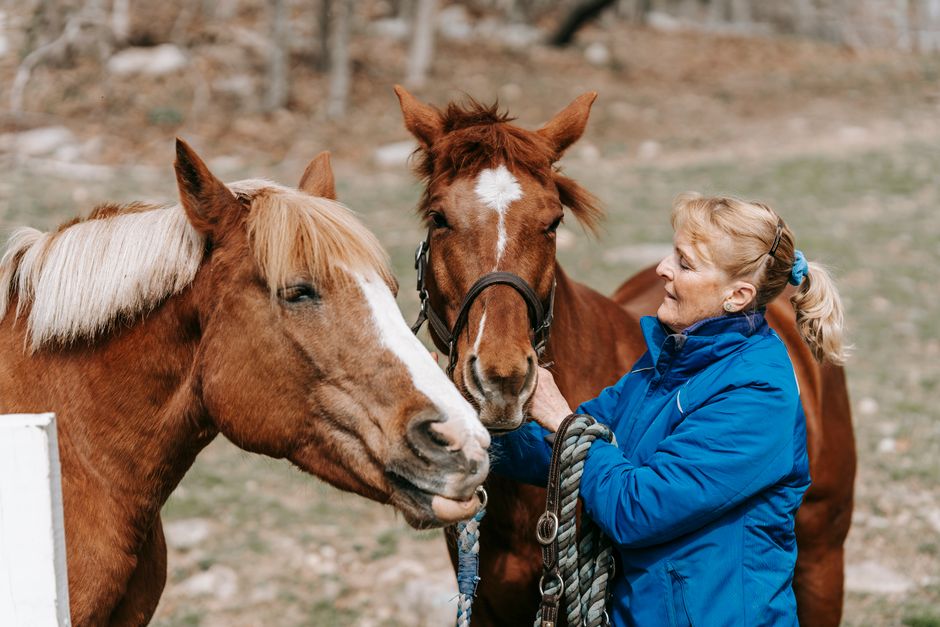
For producers managing livestock such as cattle, sheep, or goats, the signs of heat stress are subtler but just as serious. These may include increased respiratory rate, open-mouth breathing, crowding around water sources, reduced feed intake, and in advanced cases, muscle tremors or animals isolating themselves from the herd. Poultry can also suffer, often seen with wings spread away from the body and reduced egg production.
In both pets and livestock, summer storms bring additional dangers. Thunderstorm phobia is common in dogs, leading to destructive behavior or escape attempts. For livestock, heavy rains and flooding can increase the risk of foot rot, mastitis, and other health complications due to muddy pens or pastures.
Why Summer Heat and Humidity Are Risky in Tampa
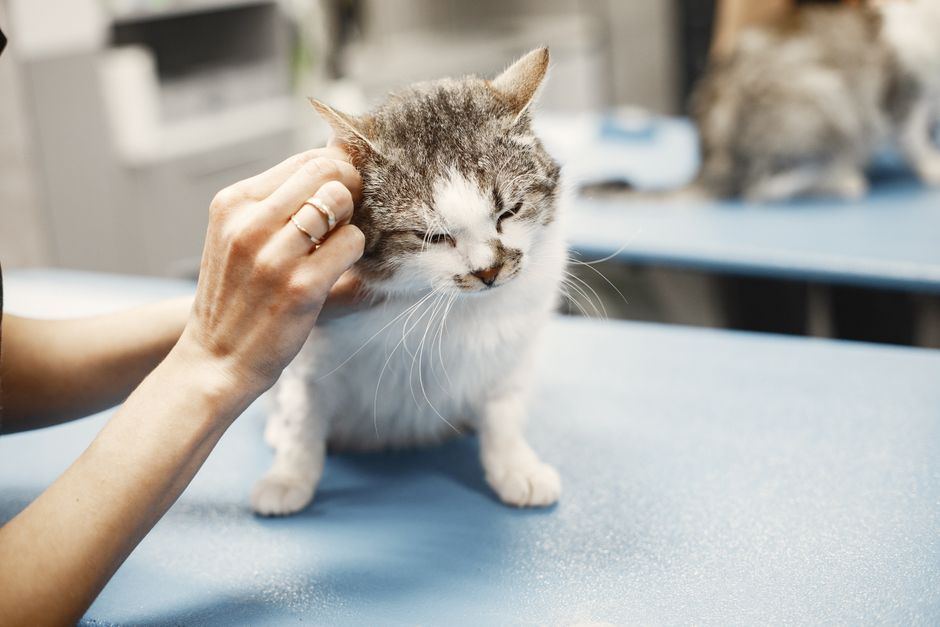
Tampa’s subtropical climate means high humidity often accompanies warm summer temperatures, making it harder for animals to cool themselves naturally. Dogs and cats primarily release heat through panting rather than sweating, so when the air is thick with moisture, their ability to regulate body temperature is compromised. Short-nosed breeds, senior pets, and those with chronic health conditions are especially at risk.
For livestock, the combination of heat and humidity elevates the heat index, impacting cattle, sheep, goats, and even horses. When nighttime temperatures remain high, animals never get a chance to fully recover from daytime heat, leading to cumulative stress. Shaded areas in the pasture can become crowded, increasing the risk of injuries or competition for limited resources. In poultry operations, poor airflow and overcrowding can rapidly increase the risk of heatstroke and mortality.
Summer storms add another layer of concern, not only through direct risks like lightning strikes and flooding, but also by contributing to rapid changes in temperature and humidity. Storms can disrupt feeding routines, damage shelters, and create standing water that encourages parasites and bacteria.
How Vets Tampa Trust Treat Summer-Related Conditions
When summer heat or storms take a toll, prompt and knowledgeable veterinary care is crucial. At Hickory Hill Vet Services, our veterinary team is equipped to handle a variety of summer-related complications in both pets and livestock. For companion animals, treatment for heat stroke may involve immediate cooling with tepid water, intravenous fluids, and monitoring for organ dysfunction. The veterinarians may also address storm anxiety with behavior modification plans, environmental adjustments, or in some cases, prescription anxiolytics.
For livestock, professional intervention can save lives when heat stress strikes. Our farm call team may recommend moving the affected animals to a shaded area, providing electrolytes, and in severe cases, administering intravenous fluids. If foot rot or mastitis develops after wet weather, timely treatment with appropriate medications and improved hygiene practices are essential. Horses prone to colic during weather changes may require close observation and supportive care to prevent serious complications.
Our veterinarians also help producers evaluate shade structures, water systems, and pasture management to reduce the risk of heat-related illnesses. By working together, we ensure both companion animals and herds receive tailored, effective care throughout the summer.
Simple Steps for Preventing Heat Stress and Summer Complications
Prevention is always the best medicine when it comes to summer heat. For pet owners, keeping dogs and cats indoors during the hottest parts of the day is key. Walk your dog early in the morning or late in the evening when temperatures are lower. Always provide access to cool, fresh water and avoid leaving pets in vehicles for any length of time. If your pet is anxious during storms, prepare a safe, quiet area with comforting items and consider sound-masking strategies like white noise or calming music.
Producers can protect their herds by ensuring ample shade is available in pastures and adjusting grazing schedules to minimize activity during peak heat. Automatic waterers should be checked daily to confirm a constant supply of clean, cool water. During periods of extreme heat, supplemental electrolytes can help support hydration in cattle, sheep, and goats. Pay close attention to body condition scores and watch for early signs of stress, as prompt action can prevent more serious problems. After heavy rains, move livestock away from flooded or muddy areas to reduce the risk of hoof diseases.
For poultry, improving ventilation, reducing stocking density, and providing cool water can make all the difference during a heatwave. Horse owners should monitor turnout times, offer salt blocks, and make sure water troughs are shaded and cleaned frequently.
When to Call Your Veterinarians for Help
Knowing when to seek veterinary care is crucial for both pet owners and producers. If your dog exhibits signs of heatstroke such as vomiting, collapse, or unresponsiveness, immediate intervention is needed—begin cooling measures and contact your veterinary team right away. Persistent storm anxiety that leads to self-injury or destructive behaviors also warrants professional guidance.
For livestock, animals that do not recover quickly from heat stress, show consistent signs of lameness after storms, or experience sudden drops in production should be evaluated by our veterinarians as soon as possible. Delays in treatment can lead to significant losses, not only in animal health but also in operational productivity.
At Hickory Hill Vet Services, we encourage you to reach out whenever you are concerned. Our team of veterinarians is committed to providing comprehensive care for both pets and livestock, ensuring that the animals you depend on—whether for companionship or livelihood—receive the support they need year-round.
Trust the Vets Tampa Relies on for Summer Animal Health
Summer in Tampa brings challenges, but with careful management and the expertise of the vets Tampa trusts, you can keep your animals healthy and thriving all season long. Whether you are looking for advice on protecting your dog from heatstroke or need guidance on herd health during the rainy season, Hickory Hill Vet Services stands ready to help. We serve families and producers in Tampa and surrounding communities with compassion, integrity, and deep expertise.
If you are searching for a veterinarian near me who understands the unique needs of both pets and livestock, look no further than our dedicated veterinary professionals. Schedule an appointment or farm call by reaching out at (813) 373-5924; our team is always here to answer your questions and provide the highest level of care. For directions or to find us easily, visit 326 W. Bearss Avenue, Tampa, FL 33613. Let Hickory Hill Vet Services be your trusted partner in animal health every summer and beyond.
If you ever have concerns about your animal’s health, remember that timely veterinary care can prevent complications and improve outcomes. For additional information about summer pet or herd care, or to schedule a consultation, contact our veterinary team today.