
FHO Surgery: What Tampa Animal Owners Need to Know
FHO Surgery: What Tampa Animal Owners Need to Know
If your dog, cat, or even a young farm animal is struggling with hip pain or mobility issues, you may have heard your veterinarian mention "FHO surgery" as a possible solution. At Hickory Hill Veterinary Services, located at 326 W. Bearss Avenue, Tampa, FL 33613, our mixed-animal veterinary team regularly helps both pet owners and producers navigate important decisions about orthopedic surgery and post-operative care. Whether you have a playful Labrador struggling with hip dysplasia, a barn cat injured in a tussle, or a young goat with joint problems, understanding when FHO surgery is appropriate and what recovery looks like can make all the difference in your animal’s comfort and quality of life. In this guide, we’ll explain what FHO surgery involves, when it’s recommended, how our team performs it, and what you can expect during the recovery process. We’ll also discuss signs that your animal might benefit from this procedure and share actionable tips for ensuring the best possible outcome right here in Tampa and surrounding communities. For more detailed information on this procedure, you can visit our page on FHO (Femoral Head Ostectomy) Surgery information and services.
Recognizing the Signs: Does Your Animal Need FHO Surgery?
Early recognition of hip problems is crucial—whether you’re watching your housecat hesitate to jump, your dog limp after playtime, or a young calf struggle to stand. In companion animals, the signs often include persistent limping, reluctance to exercise or climb stairs, difficulty rising from a resting position, or yelping during certain movements. Owners might also notice muscle loss in the affected limb or changes in behavior, such as withdrawal or irritability due to discomfort.
For producers and livestock owners, animals with hip joint issues may lag behind the herd, show changes in gait, or have trouble getting up from lying down. Sometimes, you’ll see weight shifting or a decrease in feed intake because moving is painful. In horses, signs can include shortened stride, reluctance to be saddled, or outright lameness.
No matter the species, any ongoing lameness, pain when moving the hip, or loss of mobility warrants a closer look by a veterinary professional. If you notice these symptoms, it’s important to consult with our veterinary team for a thorough orthopedic evaluation. While not every hip problem results in surgery, recognizing these early signs can lead to better outcomes and less pain for your animal.
Understanding the Causes: Why Do Animals Need FHO Surgery?
FHO surgery, or femoral head ostectomy, is a procedure designed to relieve pain and restore mobility when the hip joint is severely damaged or diseased. The most common reasons for this condition vary by species, but hip dysplasia is a leading cause in dogs, especially larger breeds. This genetic condition causes the hip joint to form abnormally, eventually resulting in arthritis and chronic pain. Injury is another major factor; trauma such as being hit by a car, falling, or getting caught in fencing can fracture the femoral head or dislocate the hip in dogs, cats, goats, or calves.
In cats, FHO is sometimes recommended after severe trauma or when arthritis makes other treatments ineffective. In livestock and horses, it’s less common but may be considered in young animals with developmental hip problems or as a salvage procedure when other options are not feasible.
In all cases, FHO surgery is considered when other treatment options—like medication, physical therapy, or less invasive procedures—cannot adequately control pain or restore function. The goal is to create a pain-free, functional limb by removing the damaged femoral head, allowing the surrounding muscles to form a false joint that supports movement.
To explore more about conditions that might lead to this procedure, such as hip dysplasia, visit our page on hip dysplasia in animals.
How FHO Surgery Is Performed at Hickory Hill Vet Services
When your animal is a candidate for FHO surgery, the process begins with a comprehensive physical exam and diagnostic imaging, such as digital radiographs, to assess the condition of the hip joint. Our veterinarians will discuss all available options with you, ensuring you understand the risks and benefits specific to your animal’s species, age, and lifestyle.
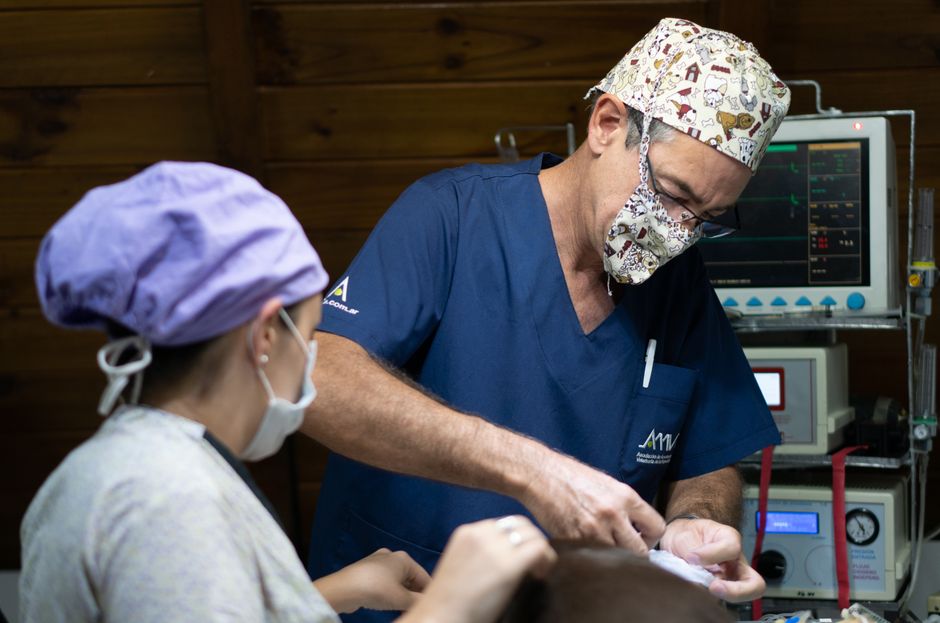
During the procedure, your animal is placed under general anesthesia. The femoral head and neck—the “ball” portion of the hip joint—are surgically removed while the rest of the pelvis remains intact. This eliminates the bone-on-bone contact responsible for pain. Over time, the body develops a supportive “false joint” from nearby muscles and tissues, which allows for surprisingly good mobility in most cases.
At Hickory Hill Veterinary Services, we use advanced pain management protocols and meticulous surgical technique to ensure a smooth experience and optimal recovery. Our approach is tailored—whether we’re performing FHO on a beloved family dog, a working barn cat, or a valuable young goat. We also provide thorough post-operative instructions and follow-up care to support your animal’s rehabilitation.
For additional reading about the range of orthopedic solutions we offer, you can find details on our orthopedic veterinary services.
Recovery After FHO Surgery: What to Expect
Recovery from FHO surgery is a gradual process that requires commitment from both the veterinary team and the animal’s owner or caregiver. Immediately after surgery, your animal will need a period of rest and restricted activity to allow initial healing. Your veterinarian will provide pain medication and instructions on how to monitor the surgical site for swelling, redness, or discharge.
Physical therapy is a key component of recovery. For companion animals, this might mean gentle range-of-motion exercises, controlled leash walks, and eventually encouraging normal movement around the home. In farm animals or horses, recovery plans focus on gradual return to pasture, supervised exercise, and monitoring for signs of discomfort as mobility improves.
Most animals begin to use the limb within a couple of weeks, although full muscle strength and coordination may take several months to return. Owners and producers should watch for any signs of persistent pain, reluctance to use the limb, or changes in appetite or behavior during the recovery period. Our veterinary team will schedule follow-up evaluations to assess healing and make adjustments to the rehabilitation plan as needed.
Prevention and At-Home Support
While not all causes of hip problems can be prevented—especially those due to genetics or acute injury—there are steps you can take to support your animal’s joint health and reduce the risk of complications. Maintaining a healthy weight is vital, as excess pounds put additional stress on joints. Providing a safe environment, whether that’s a secure backyard for your dog or well-maintained fencing for livestock, can reduce the risk of traumatic injuries.
For animals at risk of hip dysplasia, such as certain dog breeds, early screening and regular veterinary check-ups allow for proactive management. Nutritional support and joint supplements may be recommended by your veterinarian, especially for senior animals or those with a history of joint problems. In farm settings, ensuring young stock have proper footing and are not exposed to slippery or hazardous surfaces can help prevent injuries that might require FHO surgery down the line.
After FHO surgery, following your veterinarian’s rehabilitation plan is crucial. This includes prescribed exercise, physical therapy, and monitoring for any signs of delayed healing. Consistent communication with your veterinary team helps catch potential complications early and ensures a smooth recovery.
When to Seek Veterinary Care
Prompt veterinary evaluation is essential whenever you notice signs of hip pain, lameness, or decreased mobility in your animal. Delaying treatment can result in worsening pain, muscle loss, and more complicated recoveries. If your pet or livestock is suddenly unable to bear weight on a limb, shows signs of severe pain, or if you observe significant swelling or an open wound near the hip, contact our team immediately.
For less urgent cases—such as chronic limping or intermittent discomfort—schedule an appointment with our veterinarians for a thorough assessment. Our practice is equipped to provide advanced orthopedic evaluation, digital radiography, and both medical and surgical solutions tailored to the needs of companion animals, livestock, and horses. Producers should also be vigilant during key times of year, such as calving or kidding season, when young animals may be at higher risk for joint injuries.
If you are unsure whether your animal needs urgent care, our team is always available to offer guidance and support. For emergency and urgent surgical needs, please refer to our emergency and urgent surgical services page for more information.
Choosing Hickory Hill Veterinary Services for FHO Surgery in Tampa
Whether you care for a beloved family pet or manage a herd of livestock, choosing the right veterinary team for FHO surgery can make a significant difference in your animal’s comfort, function, and long-term wellbeing. At Hickory Hill Veterinary Services, our veterinarians bring extensive experience in both companion animal and large animal orthopedic care, serving Tampa and surrounding communities with integrity, compassion, and advanced medical expertise.
If you are searching for a veterinarian near me who understands the unique needs of pets, horses, and livestock, our team is here to help. We encourage you to schedule an appointment to discuss your animal’s mobility, pain management, and whether FHO surgery is the right choice. For additional resources or to learn more about FHO surgery, visit our FHO (Femoral Head Ostectomy) Surgery information and services page.
Your animal’s comfort and mobility are our highest priorities. Contact our team at (813) 373-5924 or stop by our convenient location at 326 W. Bearss Avenue, Tampa, FL 33613 to schedule your consultation. Whether you need guidance on orthopedic care, surgery, or general animal wellness, Hickory Hill Veterinary Services is committed to supporting you and your animals every step of the way.