
FHO Surgery for Pets: What Tampa Owners Should Know
FHO Surgery for Pets: What Tampa Owners Should Know
If your dog or cat has been struggling with hip pain, reduced mobility, or lameness, you may have come across the term "fho surgery" while searching for solutions. At Hickory Hill Veterinary Services, located at 326 W. Bearss Avenue, Tampa, FL 33613, our veterinary team often receives questions from owners in Tampa and surrounding communities about femoral head ostectomy and how it can help companion animals regain comfort and movement. In this blog, we will explain what FHO surgery is, when it is recommended, the recovery process, and how our team supports your animal every step of the way. Whether you are facing a recent diagnosis of hip dysplasia or an injury that affects your pet’s hip joint, understanding your options is the first step toward helping your dog or cat live pain-free. We will also discuss the importance of a thorough orthopedic evaluation and how to schedule an appointment for a comprehensive physical exam with our veterinarians.
Recognizing the Signs That Your Pet May Need FHO Surgery
As a pet owner, noticing changes in your dog or cat’s mobility can be concerning. Common signs that may indicate a problem with the hip joint include limping on one hind leg, difficulty rising or jumping, hesitation to run or play, and visible pain during activity or when touched near the hip. Some animals may show muscle loss in the affected limb, or you might notice your dog "bunny hopping" with both back legs moving together rather than in a natural gait. In severe cases, pets may vocalize when moving or resist being handled. These symptoms can develop gradually in conditions like hip dysplasia, or suddenly after trauma such as a fall or accident.
If your pet displays any of these changes, it is important to seek veterinary evaluation promptly. Early intervention can make a significant difference in their long-term comfort and mobility. Our team at Hickory Hill Veterinary Services is skilled in diagnosing orthopedic issues and can help determine if FHO surgery is appropriate for your pet’s situation.
Understanding the Causes: Why Do Pets Need FHO Surgery?
FHO surgery is typically recommended when the hip joint is damaged to the point that it causes chronic pain or cannot heal properly through medical management alone. The most common reason is hip dysplasia, a hereditary condition where the ball and socket of the hip do not fit together smoothly. Over time, this results in arthritis, inflammation, and significant discomfort, especially in active dogs or large breeds.
Other causes include traumatic injuries such as fractures of the femoral head or neck, dislocations that cannot be stabilized, or severe arthritis from previous injury or congenital abnormalities. Occasionally, FHO may be indicated for cats following high-impact trauma or when hip luxation cannot be resolved by other means. The procedure is considered when pain cannot be controlled by medications and lifestyle changes, or when joint replacement is not feasible due to cost, age, or other health factors.
If you’re unsure about the root cause of your pet’s lameness, our veterinary team can provide a detailed diagnosis and explain whether hip dysplasia diagnosis and treatment or FHO surgery is recommended for their unique case.
What Happens During FHO Surgery? The Procedure and What to Expect
Femoral head ostectomy, or FHO surgery, involves removing the "ball" part of the ball-and-socket hip joint (the femoral head and neck), effectively eliminating bone-on-bone contact that causes pain. After the femoral head is removed, the surrounding muscles and soft tissues form a "false joint," which allows for pain-free movement. Dogs and cats adapt well to this change, especially when they are at a healthy weight and receive proper post-operative rehabilitation.
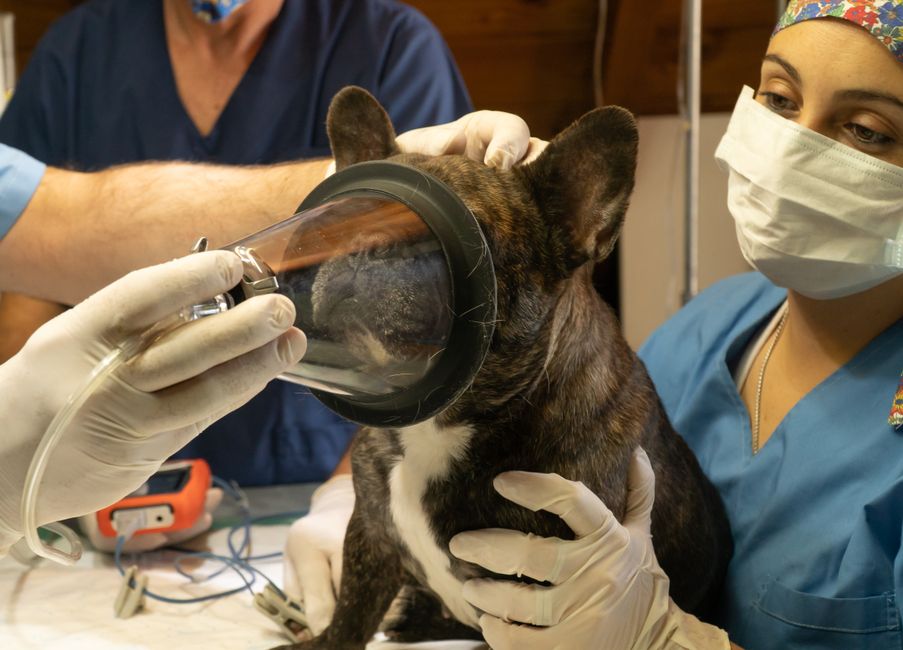
During the procedure, your pet is placed under general anesthesia, and the surgical area is carefully prepared. The veterinary surgeon makes an incision over the hip, removes the femoral head and neck, and then closes the incision with sutures. Advanced pain management techniques are used throughout. The surgery itself is relatively quick, and most pets are able to go home the same day or within 24 hours.
At Hickory Hill Veterinary Services, our veterinarians have extensive experience performing fho (femoral head ostectomy) surgery and use state-of-the-art monitoring and surgical protocols to ensure safety and comfort. We also offer in-depth guidance on what to expect before, during, and after your pet’s procedure.
Recovery After FHO Surgery: Helping Your Dog or Cat Regain Mobility
The weeks following FHO surgery are critical for your pet’s long-term outcome. Most pets begin using the operated limb within a few days of surgery, but a gradual return to normal activity is important. Your veterinarian will provide a detailed home care plan, which typically includes pain medications, anti-inflammatories, and instructions for gentle passive range-of-motion exercises. These exercises help prevent muscle atrophy and encourage the formation of a strong, functional false joint.
Restricted activity is advised initially, with short, controlled leash walks for dogs and limited jumping for cats. As healing progresses, gradually increasing exercise helps rebuild strength and confidence. Physical therapy, when available, can further enhance recovery, especially in older animals or those with additional orthopedic challenges.
Monitoring for complications is also essential. Watch for signs such as swelling, redness, discharge from the incision, reluctance to use the limb, or changes in appetite and energy. Our veterinary team is always available to answer questions and provide follow-up care to ensure a smooth recovery for your companion.
Can FHO Surgery Be Prevented? Home Care and Prevention Tips
While some causes of hip joint damage, such as accidents or genetic conditions, cannot be completely prevented, there are steps you can take to support your pet’s joint health. Maintaining a healthy weight reduces stress on the hips and lowers the risk of arthritis progression. Providing your pet with a balanced diet rich in joint-supporting nutrients, such as omega-3 fatty acids and glucosamine, can help protect cartilage and support mobility.
For dogs, appropriate exercise that avoids excessive jumping or hard landings is beneficial. Cats also benefit from safe climbing structures and regular activity to maintain muscle tone. If your pet is a breed predisposed to hip dysplasia, early screening through radiographs and regular checkups are important for catching issues before they become severe.
Promptly addressing injuries and following your veterinarian’s recommendations for rest, rehabilitation, or medication can minimize long-term damage. Our comprehensive physical exams allow us to monitor your pet’s musculoskeletal health and catch problems early.
When to Seek Veterinary Care for Hip Pain or Lameness
If you notice your dog or cat limping, favoring a limb, or showing reluctance to move, it’s time to schedule an appointment. Sudden, severe lameness, inability to bear weight, or signs of pain such as vocalizing, panting, or hiding may indicate a serious hip injury or dislocation and should be evaluated as soon as possible. Chronic signs, including stiffness after rest, decreased activity, or subtle changes in behavior, also warrant a veterinary assessment.
Early intervention gives your pet the best chance at regaining comfort and function, whether through medical management or surgical options like FHO. Our veterinarians will perform a thorough orthopedic examination and, when indicated, advanced imaging to determine the best course of action.
If you are unsure whether your pet’s symptoms are urgent, our team can help you decide when immediate care is needed. For more information about emergency veterinary care for pets, visit our website or contact our clinic directly for guidance.
Supporting Tampa’s Pets and Owners Every Step of the Way
At Hickory Hill Veterinary Services, we understand how stressful it can be when your beloved dog or cat is in pain. Our compassionate veterinary team is dedicated to providing clear answers, expert surgical care, and ongoing support throughout the FHO surgery process. From the first signs of hip trouble to the final stages of rehabilitation, we are here to help you make informed decisions for your pet’s health and happiness.
If you are searching for a veterinarian near me who is experienced in fho surgery and orthopedic care, look no further than our team here in Tampa. We welcome pet owners from the city and surrounding communities to contact us for more information or to schedule an appointment. Our veterinary professionals are happy to answer your questions and discuss your pet’s treatment options in detail.
To get started, call us at (813) 373-5924 or visit us at 326 W. Bearss Avenue, Tampa, FL 33613. You can also explore more about fho (femoral head ostectomy) surgery and related orthopedic services on our website. Let us help your pet move freely and comfortably again, with the expert care you can trust from Hickory Hill Veterinary Services.
This blog is intended for informational purposes only and should not replace individualized veterinary advice. Always consult your veterinarian for diagnosis and treatment recommendations specific to your animal’s needs.