

How a Cat Allergy Vet Helps Tampa Cats Breathe Easier

How a Cat Allergy Vet Helps Tampa Cats Breathe Easier
If you’re a cat owner in Tampa, you know our humid, subtropical climate can be tough on both people and animals—especially when it comes to allergies. Has your cat been sneezing more than usual, grooming excessively, or struggling with itchy skin and watery eyes? You’re not alone in your concern. Allergies are a common problem for cats in Florida, and finding the right care is crucial to keeping your feline comfortable year-round. At Hickory Hill Vet Services, located at 326 W. Bearss Avenue, Tampa, FL 33613, our team of veterinarians has extensive experience helping Tampa cats get relief from allergies. In this blog, we’ll explain how a cat allergy vet can diagnose and manage feline allergies, what signs to watch for, and how our comprehensive approach supports cats and their families throughout Tampa and surrounding communities. If you’ve been searching for answers about your cat’s persistent itch or respiratory issues, read on for expert guidance and practical steps you can take.
Recognizing Cat Allergy Symptoms in Tampa’s Climate
Tampa’s warmth and humidity create a perfect environment for allergens like pollen, mold spores, and dust mites. For cat owners, knowing the signs of allergies is the first step toward effective relief. Cats often display allergy symptoms differently than people. Instead of sneezing and watery eyes alone, affected cats may develop chronic itchiness, frequent scratching, or skin lesions. You might notice your cat licking or biting their paws, rubbing their face on furniture, or developing small bald patches. Respiratory signs such as sneezing, coughing, or nasal discharge can also occur, especially during high pollen seasons. Some cats even show digestive upset, including vomiting or loose stools, linked to food allergies. If your cat seems restless at night, grooms excessively, or experiences repeated ear infections, allergies could be the underlying cause. Recognizing these symptoms early allows you to seek help from a cat allergy vet before the problem escalates.
What Causes Allergies in Cats?
Feline allergies are triggered when your cat’s immune system overreacts to substances that are typically harmless. In Tampa, common environmental allergens include grasses, tree pollen, molds, and dust mites. Indoor triggers such as cleaning products, scented litter, or cigarette smoke can also play a role. Food allergies often emerge after months or even years of eating the same diet, with proteins like chicken, beef, or fish being frequent culprits. Additionally, flea bites are a leading cause of allergic reactions, with just one bite capable of setting off a full-body flare. Genetics can make some cats more prone to allergies—certain breeds like Siamese or Devon Rex are particularly sensitive. Tampa’s year-round growing season means allergens can linger for months, making management especially challenging for local cat owners. Understanding what triggers your cat’s symptoms will help your cat allergy vet create a personalized treatment plan.
How a Cat Allergy Vet Diagnoses and Treats Feline Allergies
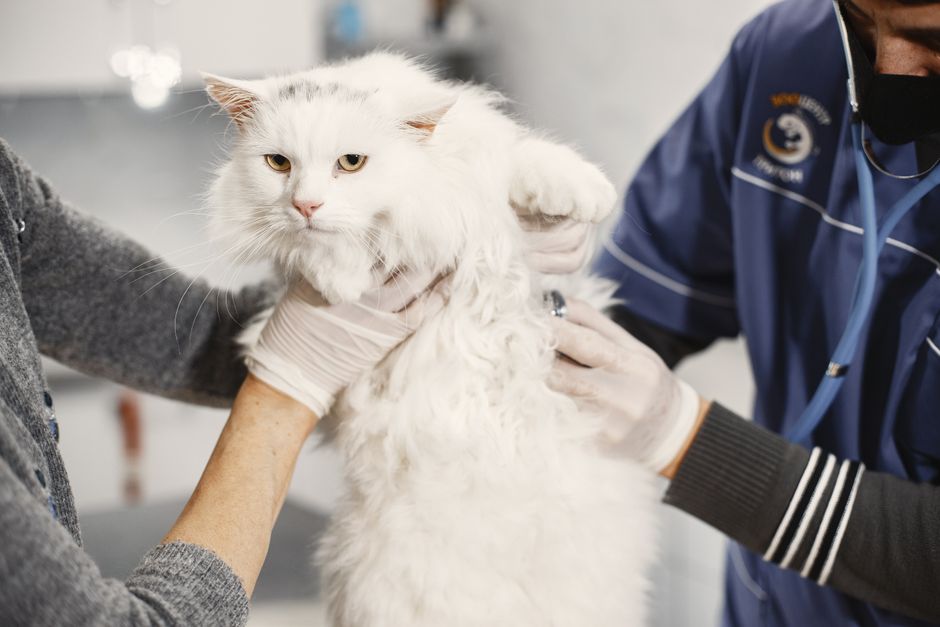
When you bring your cat to Hickory Hill Vet Services for allergy concerns, our veterinary team begins with a thorough history and physical examination. We ask about your cat’s environment, diet, recent changes at home, and the timing of symptoms. This helps us narrow down likely triggers. Diagnostic steps might include skin scrapings or cytology to rule out parasites or infections, as well as blood tests or intradermal testing to identify specific allergens. For food allergies, we may recommend a strict elimination diet, which involves feeding your cat a novel protein source for several weeks and monitoring for improvement.
Treatment approaches depend on the type and severity of your cat’s allergies. For environmental triggers, we often suggest a combination of medications such as antihistamines, corticosteroids, or immune-modulating drugs to control inflammation and itching. Topical therapies—like medicated shampoos or sprays—can soothe irritated skin. In some cases, allergy shots (immunotherapy) may be recommended to desensitize your cat to specific allergens over time. Managing flea exposure is essential, as even indoor cats in Tampa can be affected. For cats with more persistent or complex cases, we offer advanced allergy testing services for cats in Tampa, which can pinpoint the exact substances causing your cat’s discomfort and allow for more targeted treatment.
Our goal as your cat allergy vet is to not only address the immediate symptoms but also to help you create a long-term management plan tailored to your cat’s needs and your family’s lifestyle.
Tailoring Treatment in Tampa’s Unique Environment
Because of the region’s climate, we pay special attention to local pollen cycles and the impact of year-round humidity on mold and dust mite populations. Our veterinarians may recommend air purifiers, frequent bedding changes, or hypoallergenic cleaning routines at home in addition to medical therapies. We also work closely with cat owners to ensure that any necessary dietary changes are practical and sustainable. For cats with severe skin reactions, advanced interventions such as prescription diets, topical immunosuppressants, or allergy immunotherapy are available.
Home Care and Preventive Steps for Cat Allergies
Managing your cat’s allergies doesn’t stop at the veterinary clinic. There are many steps you can take at home to reduce allergen exposure and keep your cat comfortable. Regularly washing your cat’s bedding, vacuuming with a HEPA filter, and using unscented, dust-free litter can help control indoor triggers. During high pollen months, keeping windows closed and wiping your cat’s fur with a damp cloth after outdoor exposure can minimize pollen accumulation. Consistent flea prevention is crucial for all cats in Tampa, regardless of whether they venture outside. If your cat is on a prescription or elimination diet, adhere strictly to the recommended foods and avoid treats or table scraps that could introduce allergens. Bathing your cat may not be necessary for all breeds, but for those with severe skin allergies, gentle, hypoallergenic shampoos prescribed by your cat allergy vet can provide relief. These practical home care measures, combined with veterinary treatment, offer the best chance for year-round comfort.
When to Seek Professional Help from a Cat Allergy Vet
Knowing when to seek veterinary care is vital for your cat’s health. If your cat’s itching, sneezing, or skin irritation persists for more than a week, or if you notice open sores, hair loss, or changes in breathing, it’s time to schedule an appointment. Sudden swelling of the face or mouth, severe lethargy, or difficulty breathing are medical emergencies and require immediate attention. Chronic ear infections, recurring skin flare-ups, or ongoing digestive upset also warrant evaluation by a cat allergy vet. Early intervention can prevent complications such as infections, scarring, or long-term discomfort. If you’re struggling to pinpoint the cause of your cat’s symptoms, advanced diagnostics like allergy testing for cats in Tampa are available at Hickory Hill Vet Services.
Our veterinarians are committed to helping you understand the difference between minor irritation and more serious allergic reactions. When in doubt, it’s always safer to consult a professional—especially in Tampa’s challenging climate, where allergens can be persistent and severe.
Supporting Your Cat’s Health Year-Round in Tampa
At Hickory Hill Vet Services, we understand the unique challenges Tampa cat owners face when it comes to allergies. Our veterinary team is here to partner with you for every step of your cat’s journey, from early diagnosis to ongoing management and prevention. With comprehensive allergy care, advanced diagnostics, and practical home care guidance, we help Tampa cats—and their families—breathe easier, even in the height of allergy season.
If you’re searching for a “veterinarian near me” who truly understands feline allergies, look no further than our dedicated team at 326 W. Bearss Avenue, Tampa, FL 33613. Whether your cat needs a thorough examination, allergy testing in Tampa, or a personalized treatment plan, we’re here to help. Schedule an appointment with a cat allergy vet by calling (813) 373-5924 or visit our website at hickoryhillvet.com. Together, we can keep your cat healthy, happy, and comfortable no matter what the Florida seasons bring.
Medical Disclaimer: This blog is for informational purposes only and does not replace professional veterinary advice. Always consult your veterinarian regarding your cat’s specific health concerns.