
Protecting Tampa Cattle From Rainy Season Illnesses
Protecting Tampa Cattle From Rainy Season Illnesses
As any Tampa-area producer knows, Florida’s rainy season brings both lush pastures and a host of health challenges for cattle herds. The heavy August rains create wet, muddy conditions that can quickly lead to problems such as foot rot, parasite outbreaks, and the rapid spread of infectious diseases. At Hickory Hill Vet Services, located at 326 W. Bearss Avenue, Tampa, FL 33613, our veterinary team partners with producers across Tampa and surrounding communities to keep herds healthy and productive throughout the wettest months. In this blog, we will explore the most common rainy season illnesses affecting local cattle, how to recognize early warning signs, proven prevention strategies for your operation, and when to call on our veterinarians for hands-on support. Whether you manage a small cow-calf herd or a large-scale operation, staying proactive during Florida’s rainy season is crucial for the health and profitability of your cattle.
Recognizing Rainy Season Illnesses in Tampa Cattle
Knowing what to watch for in your herd during the rainy season can make the difference between a minor setback and a costly outbreak. Common illnesses that thrive in wet, humid conditions include foot rot, internal and external parasites, and a range of infectious diseases like leptospirosis and bovine respiratory disease.
Symptoms of foot rot typically include sudden lameness, swelling between the toes, and a foul odor. In the case of parasites such as liver flukes and gastrointestinal worms, signs in your cattle may include poor weight gain, diarrhea, rough hair coat, and a general drop in body condition score. Infectious diseases often present with fever, nasal discharge, coughing, or jaundice, depending on the specific pathogen. It is important to observe your herd daily for any changes in gait, appetite, or demeanor; early detection is key to preventing the spread of illness throughout your operation.
Why Rainy Season Increases Cattle Health Risks
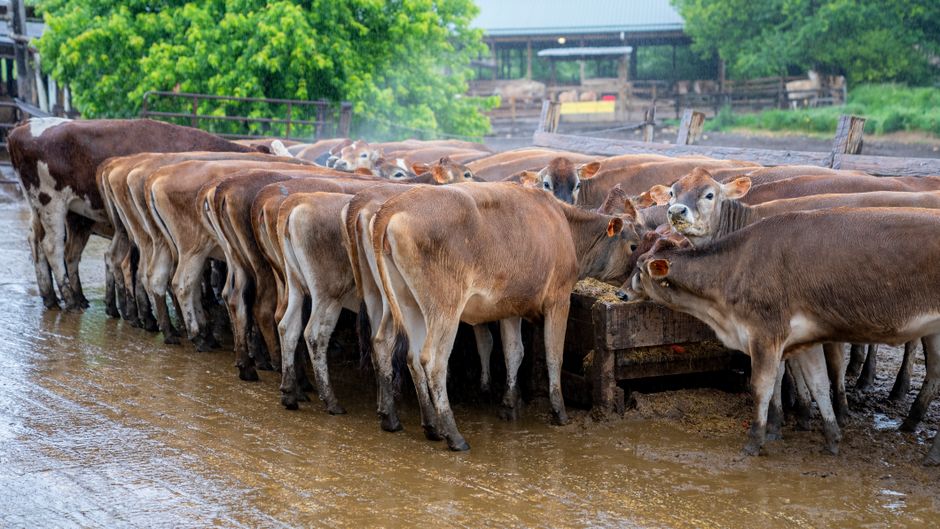
Florida’s climate, especially during the late summer months, sets the stage for increased disease pressure in cattle. Persistent rainfall leads to standing water, muddy pastures, and warm temperatures, creating ideal environments for bacteria, parasites, and disease-carrying insects to thrive. When cattle spend extended periods in wet, muddy conditions, their hooves and skin become more susceptible to breakdown and infection, making foot rot and digital dermatitis more common.
Parasite burdens rise as waterlogged pastures allow eggs and larvae to survive and move easily between hosts. Additionally, crowded sheltering during storms and limited dry ground increase close contact among animals, allowing respiratory pathogens and waterborne diseases to spread rapidly. Producers in Tampa and surrounding areas must be especially vigilant during these months and understand how the local climate directly impacts herd health.
Effective Treatment and Veterinary Management Approaches
Once illness is detected, prompt intervention is crucial to minimize animal suffering and prevent further spread within the herd. For foot rot, treatment typically involves cleaning and debriding the affected area, followed by appropriate antibiotics as prescribed by your veterinarian. Keeping affected cattle in a dry area and monitoring for improvement is also important.
When dealing with internal parasites, fecal testing and targeted deworming protocols based on veterinary guidance help ensure effective control while reducing the risk of resistance. For outbreaks of infectious disease such as leptospirosis or respiratory illness, our team may recommend supportive care, vaccination boosters, or tailored medical interventions depending on the disease and your herd’s specific risk factors.
Our hands-on herd health services and veterinary care for cattle are designed to provide producers with comprehensive support, from diagnostic testing and on-farm evaluations to emergency intervention when needed. If you notice lameness, unexplained weight loss, or sudden illness in your cattle during the rainy season, timely veterinary assessment can prevent minor issues from escalating.
Preventing Rainy Season Illnesses: Practical Steps for Tampa Producers
Prevention is always more effective—and economical—than treatment. Implementing sound management strategies during the rainy season can help keep your cattle healthy and productive. Begin by maintaining clean, well-drained areas around water troughs, feeders, and high-traffic zones to reduce mud accumulation. Rotating pastures and avoiding overstocking helps minimize pasture damage and parasite buildup.
Providing adequate shelter or dry resting areas ensures cattle have relief from constant moisture. Regular hoof inspections and prompt removal of manure from barn areas can further decrease the risk of foot rot. Incorporating a strategic parasite control program—designed in consultation with your veterinarian—will help manage both internal and external parasite loads, especially after heavy rains.
Vaccination programs should be reviewed annually, with updates timed to local risk factors and seasonal challenges. Our large animal wellness and preventive health services support producers with routine herd health checks, vaccination schedules, and individualized management plans to match your operation’s unique needs. Simple practices such as monitoring body condition scores, tracking calving intervals, and observing for subtle changes in behavior will help you catch problems early and maintain herd productivity.
When to Call Your Veterinarian: Recognizing Urgent Cattle Health Concerns
While many mild cases of muddy hooves or minor weight loss can be managed on the farm, certain signs demand prompt veterinary attention. Immediate consultation is necessary if you observe sudden, severe lameness, deep hoof lesions, rapid spread of lameness through the herd, or if cattle exhibit high fevers, bloody diarrhea, jaundice, persistent coughing, or unexplained deaths. A rapid response is also critical during outbreaks of respiratory disease, unexplained abortion storms, or when multiple animals are affected by the same condition.
For emergencies outside of regular hours, our large animal emergency services are available to provide hands-on care and guidance. If you’re unsure whether a situation is urgent, reviewing our guidelines for livestock emergency veterinary visits can help you determine the next steps. Remember, acting quickly not only improves animal welfare but also protects your bottom line by limiting disease spread and production losses.
Supporting Herd Health in Tampa’s Wettest Months
Protecting your cattle from rainy season illnesses requires a proactive, informed approach and a strong partnership with your veterinary team. By staying alert to early warning signs, implementing robust management and prevention protocols, and seeking veterinary support when needed, you help ensure the health and productivity of your herd all year long.
If you have questions about rainy season risks, need to schedule a herd health check, or want to update your vaccination and parasite control protocols, the veterinarians at Hickory Hill Vet Services are here to help. Contact our team at (813) 373-5924 to schedule an appointment or request on-farm service. Producers searching for a veterinarian near me in Tampa will find experienced, practical support at our 326 W. Bearss Avenue, Tampa, FL 33613 location. Let us help you safeguard your operation this rainy season and beyond.
This article provides general information for educational purposes only. Always consult with a veterinarian for specific concerns about your herd’s health.