
Cold Weather Care Tips for Brooksville Livestock
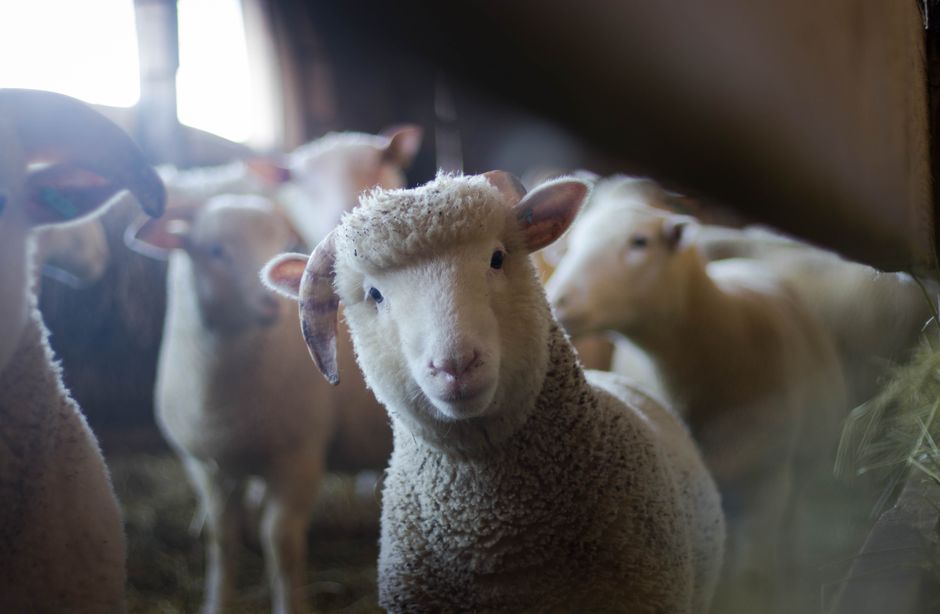
Cold Weather Care Tips for Brooksville Livestock
As autumn deepens and temperatures begin to drop in Brooksville, producers across the region are shifting focus to the challenges of keeping their herds healthy and productive through the colder months. While Florida may not see the deep freezes of northern states, even mild cold snaps can impact cattle, goats, and sheep, particularly when combined with wet weather or sudden temperature swings. At Hickory Hill Veterinary Services, located at 26358 Hickory Hill Road, Brooksville, FL 34602, our team of veterinarians is committed to supporting livestock producers with practical advice and expert veterinary care throughout the winter season. In this blog, we will discuss how cold weather affects livestock in our region, key signs your animals may be struggling, and essential steps for protecting your herd’s health and productivity as temperatures cool. Whether you manage a large cattle operation or a small flock of goats or sheep, these insights are designed to keep your animals thriving all winter long.
Recognizing Cold Stress and Winter Challenges in Livestock
Cold weather in Brooksville can pose real challenges for cattle, goats, and sheep, especially when combined with rain, wind, or damp conditions. Even brief cold snaps can increase the risk of illness and reduce productivity. Producers should watch for signs of cold stress, which include shivering, huddling together for warmth, reluctance to move, and a noticeable drop in feed intake. Animals may also develop rough or fluffed-up coats and, in severe cases, experience weight loss or a decline in milk production. For newborn calves and kids, symptoms such as weakness, difficulty standing, and excessive vocalization may indicate that cold weather is taking a toll. Additionally, wet and muddy pastures can contribute to hoof problems and increase the risk of respiratory illness.
If your livestock are showing any of these warning signs, it is essential to assess their environment and management practices. Recognizing subtle changes early can prevent more serious health complications as the season progresses.
Why Cold Weather Affects Livestock in Brooksville
Although Florida winters are typically mild, livestock in the Brooksville area are acclimated to warmer temperatures and can be sensitive to even small drops in temperature. The combination of chilly air, dampness, and wind can create a significant chill factor that affects the animal’s ability to maintain its body temperature. Young, thin, or older animals are especially vulnerable, as are those with compromised health or inadequate shelter. Additionally, the increased energy demand for staying warm means livestock need more calories during cold periods. Without proper nutrition and care, animals can lose body condition, become more susceptible to disease, and experience reduced reproductive performance.
Pasture quality often declines in winter, requiring supplemental feeding. Shorter days and less sunlight can also impact animal behavior, feed intake, and immune function. Producers in Brooksville should be mindful that even brief periods of cold, damp weather can set the stage for challenges such as pneumonia, scours in young animals, and foot problems.
Management and Veterinary Support for Cold Weather Livestock Health
Professional veterinary care and sound management strategies work hand-in-hand to minimize the risks associated with cold weather. At Hickory Hill Veterinary Services, our large animal wellness services are designed to help producers keep their herds in peak condition, even as temperatures drop. Management approaches involve providing adequate shelter from wind and rain, ensuring dry bedding in barns or loafing sheds, and maintaining a reliable supply of clean, unfrozen water. For operations relying on pastured animals, windbreaks—whether natural or constructed—offer critical protection. Strategic grouping of livestock based on age, condition, and health status can also help reduce cold-related stress.
Nutritional support becomes even more important during cold weather. Increasing forage and supplementing with higher-energy feeds may be necessary to meet animals’ elevated caloric needs. Our team can work with you to develop a winter nutrition plan that addresses the specific needs of your herd, considering factors such as stage of production, body condition, and pasture availability.
Routine herd health checks, vaccinations, and parasite control should not be overlooked during the winter months. These preventive measures reduce the risk of disease outbreaks and support overall herd resilience. For producers managing goats or sheep, our veterinary services for small ruminants also include guidance on flock management, hoof care, and reproductive health during the colder season.
Managing Newborns and Vulnerable Animals
Newborn calves, kids, and lambs are especially at risk during cold snaps. Ensuring that birthing areas are dry, draft-free, and well-bedded helps prevent hypothermia. Colostrum intake is vital within the first few hours of life to support immunity and energy needs. In cases where weather is severe or newborns are weak, timely intervention from your veterinary team can make the difference between recovery and loss.
Preventive Steps Producers Can Take on the Farm
Proactive management is the foundation of healthy livestock throughout the winter. Key steps include monitoring body condition scores regularly, adjusting feed rations as needed, and providing access to shelter or windbreaks. Keeping bedding dry and clean reduces the risk of hoof problems and helps animals maintain body heat. Producers should also check water supplies daily, ensuring that troughs do not freeze and that water remains accessible to all animals.
Rotating pastures and minimizing overcrowding helps reduce mud, limit disease transmission, and support even forage utilization. For flock owners, regular hoof trimming and inspection can prevent lameness and promote overall health during the wet, chilly season. Producers are encouraged to review their herd health plans and vaccination schedules with our veterinary team ahead of time, so animals are well-prepared for winter’s challenges.
When to Seek Veterinary Care for Cold Weather Concerns
Despite best efforts, some livestock will require professional veterinary support during the colder months. Indications for calling your veterinarian include persistent coughing, nasal discharge, loss of appetite, unexplained weight loss, sudden drops in milk yield, or evidence of lameness. Newborns that are slow to rise, appear weak, or have trouble nursing should be evaluated promptly. Any signs of severe cold stress, such as collapse or difficulty breathing, represent a veterinary emergency.
Our large animal emergency services are available to assist with urgent situations, providing rapid assessment and treatment on your farm when your herd’s health is at risk. If you are unsure whether your animals’ symptoms require immediate attention, our team is always available for consultation and guidance. For more details on when to call for urgent help and what to expect during a visit, review our livestock emergency veterinary visit guidelines.
Supporting Your Herd’s Health All Winter Long
Cold weather in Brooksville presents unique challenges for livestock producers, but with the right preparation and veterinary partnership, your herd or flock can remain healthy and productive from the first cool front through spring. By staying vigilant for signs of cold stress, making timely adjustments to housing and nutrition, and working closely with our veterinary team, you can prevent common winter health issues and protect your bottom line.
If you are looking for a "vet near me" with experience in both cattle and small ruminant care, Hickory Hill Veterinary Services is here to serve producers in Brooksville and surrounding communities. Whether you need a routine herd health check, help developing a winter feeding plan, or urgent veterinary care, our team of veterinarians is committed to providing the support your operation needs. To schedule a comprehensive herd health evaluation or discuss any cold weather concerns, call (813) 576-2487 or visit us at 26358 Hickory Hill Road, Brooksville, FL 34602. We are proud to be your trusted resource for livestock and small ruminant veterinary care this winter and throughout the year.
For more information about our herd health and wellness services or to learn how our team can support your cattle, goats, or sheep, explore our website or contact us directly. Your animals’ health and productivity are our top priorities as the seasons change.