
How Vets Tampa Trust Care for Herd Health in Summer
How Vets Tampa Trust Care for Herd Health in Summer
Summer in Tampa is a time of lush pastures, heavy rains, and soaring heat. For cattle, goats, and livestock producers, these months bring both opportunity and risk. Rising temperatures, high humidity, and intense insect pressure can stress your herd and threaten productivity if not managed proactively. That is why working with vets Tampa producers rely on, like the experienced team at Hickory Hill Veterinary Services, is essential for keeping your operation running smoothly. Located at 326 W. Bearss Avenue, Tampa, FL 33613, our veterinary professionals help cattle and livestock owners across Tampa and surrounding communities beat the heat, prevent disease, and maximize animal well-being. In this guide, we will cover the most common summer herd health challenges, how to spot trouble early, and how professional veterinary care supports the success of herds in the Florida climate.
Recognizing Summer Herd Health Issues: What Tampa Producers Should Watch For
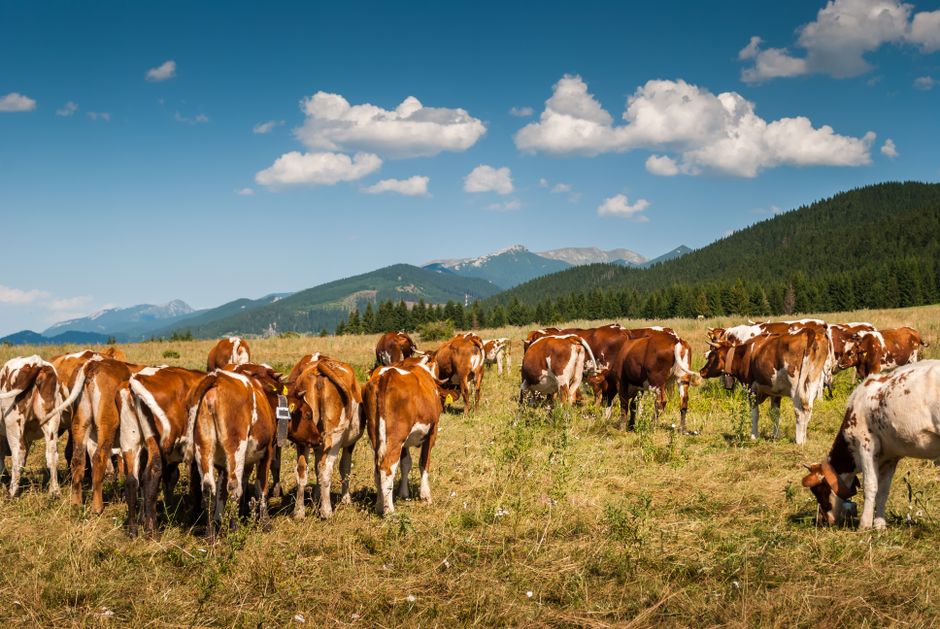
Florida’s steamy June brings conditions that can quickly impact your herd’s health. Producers often notice problems when animals start to show signs of heat stress, decreased weight gain, or outbreaks of illness. Key symptoms to watch for include cattle or goats crowding in the shade, open-mouth breathing, excessive salivation, reduced feed intake, or standing in water to cool off. Additionally, increased fly activity, skin lesions, sudden lameness, or signs of pinkeye can signal that summer conditions are taking a toll. For young animals, such as calves or kids, scours and respiratory issues often escalate with rising temperatures and humidity. If you manage horses alongside livestock, be alert for signs like excessive sweating, lethargy, or shifting weight, which may indicate heat exhaustion or hoof problems exacerbated by wet ground.
Identifying these warning signs early allows you to take action before production losses mount. Tampa’s climate makes it essential to monitor your herd daily, especially during the hottest parts of the day, and to track changes in behavior, appetite, and physical condition.
Why Summer Brings Unique Challenges for Herd Health in Tampa
Understanding the underlying causes of summer herd health issues in Tampa helps producers take preventive action. Prolonged heat and humidity place significant stress on cattle and goats, leading to decreased feed efficiency, reduced fertility, and increased susceptibility to disease. Heat stress triggers a cascade of physiological responses, including increased respiration rates and altered metabolism, which can suppress the immune system and slow weight gain.
In addition to temperature extremes, Florida’s summer rainfall creates prime conditions for parasites and pathogens. Standing water and wet pastures promote the spread of internal parasites, while longer grass and brush provide breeding grounds for flies and ticks. Fly populations can surge, leading to irritation, blood loss, and the spread of diseases like pinkeye or anaplasmosis. Wet weather also increases the risk of hoof problems, such as foot rot in cattle and lameness in goats or sheep.
For producers with mixed herds, horses face heightened risk of thrush, hoof abscesses, and colic related to rapid changes in forage quality. These seasonal patterns require vigilant management and coordinated herd health strategies tailored to the realities of Tampa’s climate.
How Professional Veterinary Care Supports Herd Health During Summer
Partnering with vets Tampa producers trust offers a distinct advantage during Florida’s challenging summer months. The veterinary team at Hickory Hill Veterinary Services provides comprehensive on-farm and in-clinic support designed to keep your herd healthy and productive. Regular herd health checks allow our veterinarians to assess body condition scores, monitor for early signs of disease, and identify animals at risk from heat or parasites.
Veterinary services during summer often involve targeted vaccination protocols to control respiratory and clostridial diseases that spike in hot, humid weather. Our team also performs strategic deworming based on fecal egg counts, helping reduce parasite loads without unnecessary treatments. For herds struggling with fly pressure, we can recommend integrated pest management solutions, including feed additives, pour-on products, and environmental modifications that suit your operation. Producers may also benefit from nutritional consultations to adjust rations for changing forage quality or to boost electrolyte intake during periods of intense heat.
For those managing small ruminants or horses, our veterinarians provide tailored herd health services that address species-specific concerns, such as foot care for goats or dental and lameness evaluations for horses. If a serious illness or injury arises, our emergency service ensures you have access to prompt, expert care even after hours.
To learn more about our herd health services for cattle or veterinary care for small ruminants, visit our website or contact our team directly.
Proactive Prevention: Steps Producers Can Take for Summer Herd Health
While professional veterinary care forms the backbone of a successful herd health program, daily management decisions on your farm make a significant impact. Key preventive steps include providing ample shade and clean, fresh water; ensuring water troughs are checked and cleaned regularly, as algae and bacteria flourish in warm weather. Rotating pastures and avoiding overgrazing helps limit parasite exposure and maintains forage quality. Fly control measures, such as using fly tags, removing manure from loafing areas, and employing feed-through larvicides, reduce pest pressure and improve animal comfort.
Monitor body condition scores throughout the season, as summer stress can quickly lead to weight loss or poor gains. Producers should also pay close attention to hoof health, especially during wet conditions, by maintaining dry bedding in loafing areas and inspecting for early signs of lameness. For those with horses, regular farrier visits and dental checks are vital, as is managing turnout time during peak heat.
Keep accurate records of health events, treatments, and environmental conditions, as these help your veterinarian identify patterns and recommend adjustments. Producers should remain vigilant for any sudden changes in herd behavior, appetite, or appearance, and consult with a veterinarian promptly if concerns arise.
When to Call Your Veterinarian: Recognizing When Professional Help Is Needed
Timely intervention is critical when herd health issues develop during the summer. Producers should contact their veterinary team if animals display persistent signs of heat stress, such as rapid breathing, staggering, or collapse. Other urgent situations include outbreaks of pinkeye, sudden-onset lameness, severe scours in calves or kids, or unexplained deaths. Horses with colic symptoms, refusal to eat, or severe lameness require immediate assessment.
If you notice rapid declines in milk production, unexplained weight loss, or widespread signs of respiratory illness, these also warrant prompt veterinary evaluation. Hickory Hill Veterinary Services offers after-hours emergency support for large animals, so you never have to manage a crisis alone. Our large animal emergency veterinary services are available to help safeguard your operation when time is of the essence.
Producers who take a proactive approach, calling their veterinarian at the first sign of trouble, often see better outcomes and avoid costly production losses.
Why Producers Choose Hickory Hill: The Value of Local, Trusted Vets in Tampa
Hickory Hill Veterinary Services stands out as the partner Tampa producers trust for year-round herd health. Our veterinary professionals understand the unique challenges of Florida agriculture and tailor every service to the realities of managing cattle, goats, and horses in this region. By combining preventive medicine, on-farm diagnostics, and producer education, we help operations of all sizes maintain healthy, productive animals through even the most challenging summer seasons.
Our team is committed to building long-term relationships with producers, offering both scheduled wellness visits and responsive emergency care throughout Tampa and surrounding communities. We encourage you to take advantage of our comprehensive wellness services for large animals to keep your herd thriving through the heat and beyond.
Take Action for Your Herd: Schedule a Summer Health Consultation
Florida’s summer brings unique challenges, but with the support of vets Tampa operations count on, you can keep your cattle, goats, and horses healthy and productive all season long. At Hickory Hill Veterinary Services, we invite you to schedule a herd health evaluation or consultation today. Whether you need routine wellness care, emergency support, or advice on improving summer management, our veterinary team is ready to help.
To discuss your herd’s needs or request an appointment, call (813) 373-5924 or visit us at 326 W. Bearss Avenue, Tampa, FL 33613. If you are searching for a “vet near me” who understands both livestock and companion animals, look no further than our trusted team. Your operation deserves veterinary partners who are invested in your success. Let us help you make the most of Tampa’s summer with proactive, compassionate care for your herd.