
How Vets Tampa Trust Prevent Summer Emergencies
How Vets Tampa Trust Prevent Summer Emergencies
Florida summers are tough on both pets and livestock. Intense heat, sudden storms, and unpredictable hazards can all put your animals at risk. At Hickory Hill Vet Services, we understand the unique challenges faced by pet owners, horse owners, and producers throughout Tampa and surrounding communities. Our team of veterinarians is committed to helping you prevent summer emergencies before they happen—whether you have a dog lounging at home, a herd of cattle grazing in the pasture, or horses in your barn. In this guide, we’ll explain how the vets Tampa relies on keep companion animals and herds safe through expert preventive care, practical tips, and rapid response strategies tailored to our region’s climate and animal populations. You’ll learn how to recognize warning signs, what causes common summer emergencies, and how to protect every member of your animal family through proactive care and timely intervention. For more information on how our team can help in urgent situations, see our emergency veterinary care page.
Recognizing the Signs of Summer Emergencies in Tampa
For Companion Animals: Dogs and Cats at Home
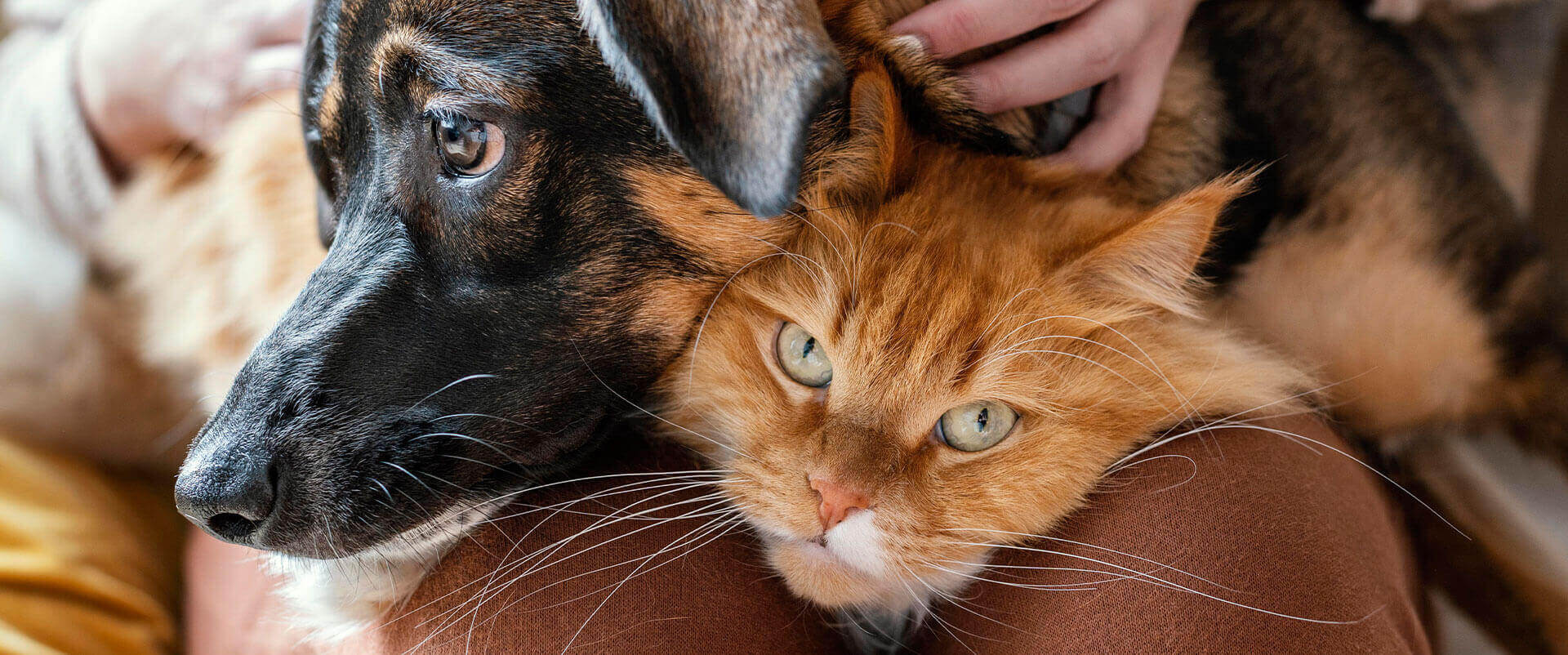
As temperatures rise, pets are more vulnerable to heatstroke, dehydration, and even storm-related anxiety. Key symptoms to watch for include excessive panting, drooling, weakness, vomiting, or confusion. Cats may hide, refuse to eat, or show signs of respiratory distress. Additionally, thunderstorm phobia can trigger destructive behavior or attempts to escape, increasing the risk of injury or getting lost.
For Horses and Livestock: Pasture and Barn Concerns
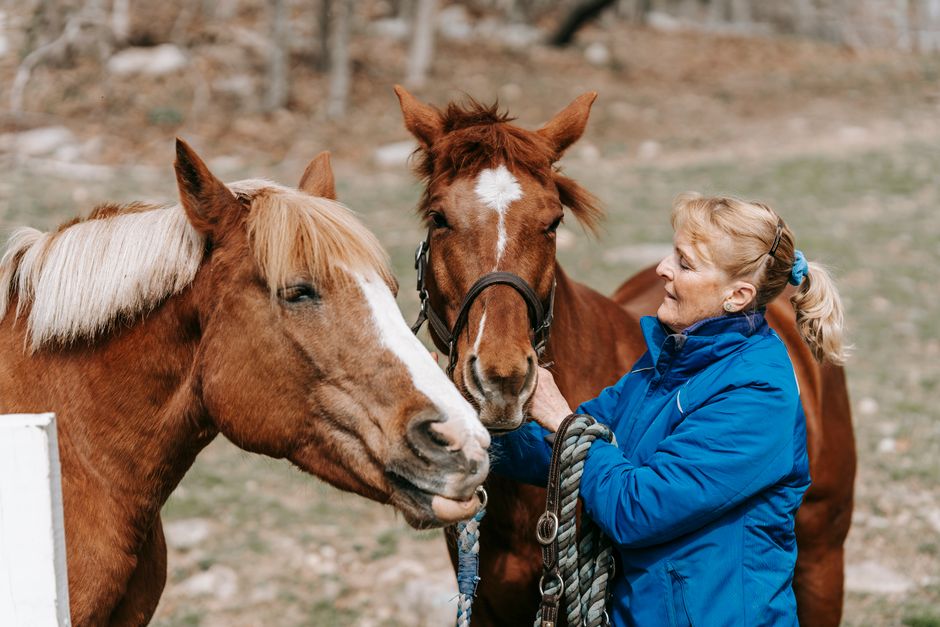
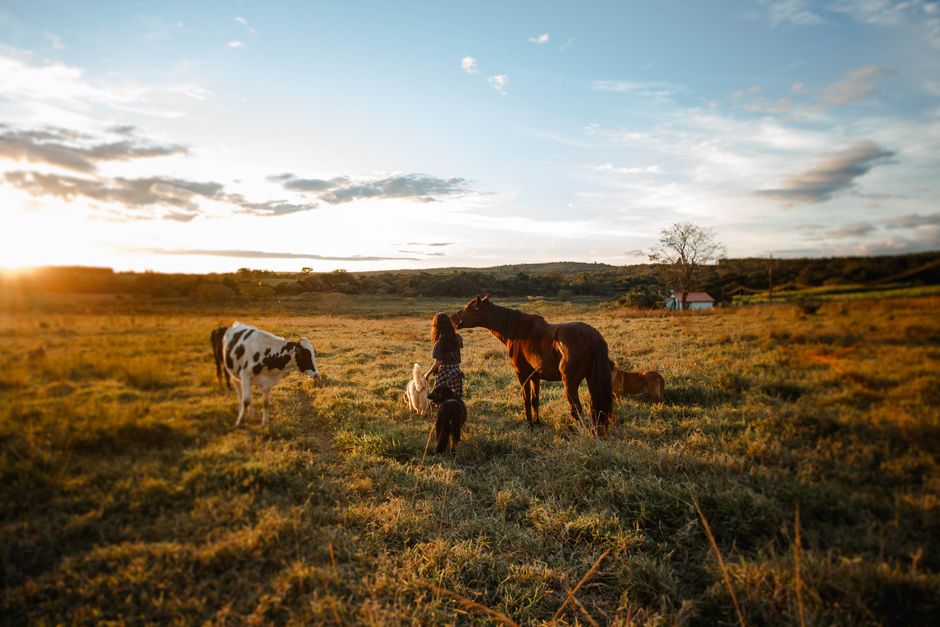
Producers and horse owners need to be vigilant for warning signs such as labored breathing, rapid pulse, unsteady gait, or animals separating from the herd. In cattle and small ruminants, heat stress can manifest as open-mouth breathing, increased respiratory rate, and reduced feed intake. Horses may sweat excessively, become lethargic, or show muscle tremors. After storms, injuries from debris, downed fences, or sudden flooding can occur. In both livestock and horses, watch for lameness, wounds, or signs of colic, which often present as rolling, pawing, or looking at the flank.
Recognizing these early symptoms is critical for timely intervention. If you notice any of these signs, contacting a veterinarian promptly can make a significant difference in outcomes for your animals.
Why Are Summer Emergencies So Common in Tampa?
Heat and Humidity: Not Just Discomfort
The Tampa area is known for high temperatures and humidity, especially from late spring through early fall. While all animals can be affected, certain breeds of dogs and cats, as well as young, elderly, or overweight animals, are at increased risk. For livestock and horses, our subtropical climate demands extra vigilance during periods of high heat index, as heat stress can quickly escalate to life-threatening conditions.
Thunderstorms and Hurricanes: Sudden Hazards
Severe summer storms are a fact of life in Tampa. Companion animals can develop severe anxiety, leading to injuries or escape attempts. In barns and pastures, storms can cause power outages, blow down fencing, and create dangerous debris. Flooding may contaminate water supplies or expose animals to toxic plants and pathogens.
Parasites and Disease
Warm, wet conditions encourage the spread of parasites such as mosquitoes, which bring heartworm risk for dogs and cats, and flies, which can cause pinkeye or other problems in cattle and horses. Standing water after storms may become breeding grounds for disease-causing organisms, threatening both herd health and companion animal safety.
Professional Treatment and Rapid Response from Vets Tampa Depends On
For Dogs and Cats
When a heat or storm emergency occurs, the first step is rapid assessment and stabilization. Our veterinary team may use cooling therapies, intravenous fluids, oxygen support, and medications to manage symptoms and prevent complications. Emergency surgery might be necessary for injuries or severe cases of heatstroke. Our emergency veterinary care services are designed to address urgent needs promptly, giving your pets the best chance for recovery.
For Horses and Livestock
Hickory Hill Vet Services provides urgent on-farm care for heat stress, storm-related injuries, and colic. Treatment approaches involve cooling measures, electrolyte supplementation, wound management, and pain relief. For herds, our team can administer supportive care, treat dehydration, and manage infectious disease outbreaks if they occur after flooding or contamination events. When large animal emergencies strike, our Large Animal Emergency Services are available to address critical issues, whether it’s a downed cow, a mare in distress, or herd-wide problems.
Prompt, professional intervention can mean the difference between a positive outcome and lasting damage. That’s why our veterinarians are equipped to manage both individual and herd emergencies, and we always encourage early communication for the best results.
Preventing Summer Emergencies: What Owners and Producers Can Do
Home Care for Companion Animals
Pet owners can help prevent heatstroke by ensuring pets have constant access to fresh water and shade, walking dogs during cooler morning or evening hours, and never leaving animals in parked vehicles. During storms, creating a safe, quiet space indoors can help reduce anxiety and the risk of escape or injury. Regular preventive care, such as heartworm testing and flea/tick prevention, is also crucial.
Herd and Barn Management for Producers and Horse Owners
For livestock and horses, prevention starts with providing ample clean water, shade structures, and access to well-ventilated barns. Monitoring body condition scores and adjusting feed during hot weather help minimize metabolic stress. After storms, inspect fences, remove debris, and check water sources for contamination. Producers should be proactive about vaccination and parasite control, especially during summer months when disease pressure is highest. For comprehensive herd health strategies, our Large Animal Wellness service offers preventive health programs tailored to cattle, goats, sheep, and horses.
Planning Ahead for Storms and Heat
Whether you have pets at home or a large herd, preparing for severe weather is essential. Steps include keeping emergency contact information handy, stocking up on supplies, and creating a plan for evacuating animals if necessary. Horse owners should make sure trailers are road-ready and have identification on each animal. Producers should review their operation’s emergency protocols with everyone involved.
When to Call the Vets Tampa Trust for Help
For Pet Owners
Call your veterinarian immediately if your pet shows signs of distress, such as heavy panting, vomiting, collapse, or confusion during hot weather. Injuries, persistent diarrhea, or sudden behavioral changes after storms also warrant prompt attention. If you are unsure, it is always better to err on the side of caution and consult our veterinary professionals.
For Producers and Horse Owners
Producers should contact our farm call team if any animal in the herd displays open-mouth breathing, is unable to rise, or shows signs of severe illness or injury after a storm. Horses with colic symptoms, lameness, or heat stress require immediate assessment. For emergencies outside of regular hours, our large animal emergency services are available to provide urgent care on-site. Producers and equestrians can review specific guidelines for responding to livestock and horse emergencies on our Livestock Emergency Visit Guidelines and Equine Emergency Visit Guidelines pages.
Keeping Every Animal Safe: Our Commitment to Tampa’s Community
Summer in Tampa brings unique challenges, but with the right knowledge and support, you can keep your pets, horses, and herds safe and healthy. The team of veterinarians at Hickory Hill Vet Services is here to help you recognize problems early, respond quickly to emergencies, and create preventive care plans that fit your needs—whether you care for animals at home, in the barn, or out in the pasture.
If you need guidance or want to schedule an appointment for your companion animal, horse, or livestock, contact our practice at (813) 373-5924 or visit us at 326 W. Bearss Avenue, Tampa, FL 33613. For those searching for a veterinarian near me, our team provides comprehensive mixed animal care for the Tampa area and surrounding communities, with both in-clinic and on-farm services available by appointment.
Trust the vets Tampa depends on to keep every member of your animal family safe this summer—and every season. To learn more about our emergency and preventive services, explore our emergency veterinary care and Large Animal Wellness pages, or give us a call today. Your animals deserve the very best, and we’re honored to be your partner in health and safety.