
Fall Horse Wellness Tips for Brooksville Stables
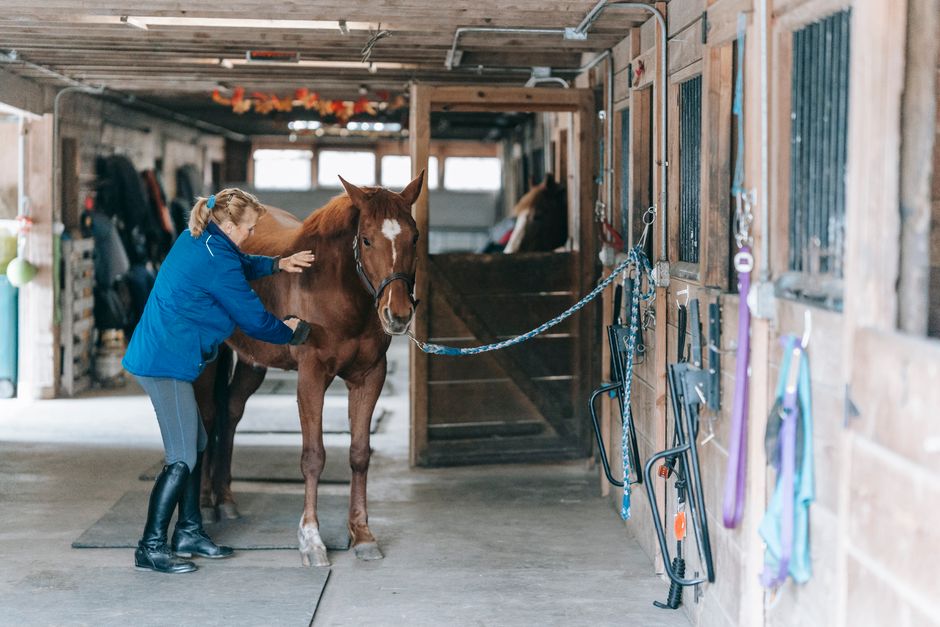
Fall Horse Wellness Tips for Brooksville Stables
As autumn settles over Brooksville and cooler temperatures bring relief from the summer heat, horse owners often wonder how best to support their horses' health during this seasonal transition. At Hickory Hill Veterinary Services, our team of veterinarians understands that fall presents unique challenges and opportunities when it comes to keeping horses in top condition. Whether you manage a busy boarding stable, care for a few pasture companions, or prepare performance horses for winter, a proactive approach to autumn wellness pays dividends all year long. In this guide, we will cover the essentials of fall horse care, including seasonal nutrition, dental health, routine wellness checks, and practical steps to help your horses thrive as the weather changes. Our equine veterinary team, based at 26358 Hickory Hill Road, Brooksville, FL 34602, is dedicated to supporting every horse owner in Brooksville and surrounding communities with comprehensive, compassionate care as we move into November and beyond.
Recognizing Fall Wellness Needs in Your Horse
Horses often show subtle signs when seasonal changes begin to impact their wellbeing. As fall arrives in Florida, you may notice your horse's coat beginning to thicken or see a shift in pasture quality as grasses become less lush. Horses that were thriving in the summer heat can experience changes in weight, energy levels, or even attitude as the weather cools and forage availability shifts. Common concerns in autumn include developing a rough or patchy coat, losing or gaining weight unexpectedly, or showing signs of dental discomfort such as dropping feed, quidding, or reluctance to accept the bit. Other early warning signs that your horse may need extra attention include increased sensitivity to grooming, changes in manure consistency, or decreased water intake as temperatures drop. Recognizing these changes early can help prevent more serious health issues from developing as winter approaches.
Why Fall Brings Unique Health Challenges for Horses
The transition from summer to fall in the Brooksville area means not only cooler weather, but also changes in pasture composition, daylight hours, and daily routines. As pastures decline in nutritional value, horses may need supplemental hay or adjustments in grain to maintain an ideal body condition score. Shorter days can disrupt some horses' metabolic rhythms, while fluctuating temperatures may increase the risk of respiratory issues, colic, or dehydration. Autumn is also a critical time for assessing parasite control strategies, since some internal parasites become more active as horses graze on shorter, overgrazed pastures. Dental issues often surface in the fall as horses rely more heavily on hay, which requires more thorough chewing than tender summer grass. Additionally, fall is an important season for updating vaccinations and performing routine health checks, since horses may be exposed to new risks when traveling to autumn events or as new animals arrive at the stable.
Professional Care: Fall Wellness Exams and Routine Dental Checks
Scheduling a comprehensive fall wellness evaluation with your equine veterinary team is one of the most effective ways to ensure your horse remains healthy throughout the autumn months. During a wellness visit, our veterinarians will assess your horse's body condition, check vital signs, and evaluate for signs of lameness or emerging health concerns. We recommend regular large animal wellness services to address seasonal issues before they become problematic. Special attention is given to dental health, as uneven wear, loose teeth, or sharp points can affect your horse's ability to chew hay efficiently and maintain weight. Our teeth floating services are designed to keep your horse's mouth comfortable, support optimal digestion, and prevent behavioral problems related to oral pain.
Fall is also a prime time for updating vaccinations, reviewing deworming protocols, and performing Coggins testing if your horse will be traveling or exposed to new herdmates. Our veterinarians can tailor a vaccine and deworming schedule based on your horse's age, lifestyle, and risk factors, ensuring continued protection as the seasons change. For performance or aging horses, we may recommend additional diagnostics such as lameness exams or metabolic screening to catch underlying issues early.
Nutrition and Management Tips for Autumn
Supporting your horse's health as pasture quality declines involves thoughtful nutrition and management. As grass becomes sparser and less nutrient-dense, horses require good-quality hay to meet their fiber needs. Monitor your horse's body condition closely; a thickening winter coat can sometimes mask weight loss, so use your hands to assess fat coverage along the ribs and topline. Adjust grain or concentrate rations as needed, always making changes gradually to avoid digestive upset. Provide access to clean, unfrozen water at all times, as horses tend to drink less when the weather cools, increasing the risk of impaction colic. Salt blocks or loose salt should be available to encourage adequate water intake.
Autumn in Brooksville can bring dampness and mud, especially with seasonal rains. Regular hoof care, including picking out feet and maintaining scheduled farrier visits, helps prevent thrush and other hoof ailments. As insects linger into the fall, continue with fly control measures and check for signs of skin conditions such as rain rot or sweet itch. Horses with metabolic issues or a history of laminitis may need to be restricted from grazing on fall regrowth, which can be high in non-structural carbohydrates.
Preventive Steps Horse Owners Can Take at the Barn
There are several steps you can take at the barn or pasture to support your horse's health during the fall. Begin by evaluating pasture conditions and supplementing with hay before horses start losing condition. Observe your horse daily for changes in eating habits, weight, or manure quality. Keep up with routine grooming, as this stimulates circulation, helps identify skin issues early, and allows you to spot injuries or swelling. Maintain a regular schedule for dental checks, deworming, and vaccinations in consultation with your veterinarian.
Monitor water troughs to ensure they stay clean and free from debris; horses are less likely to drink if water is stale or contaminated with leaves and algae. As the weather turns cooler, consider blanketing only if your horse is clipped, underweight, or particularly sensitive to cold, since most horses grow sufficient coats for local conditions. Keep shelters clean and dry to help prevent respiratory problems and hoof diseases associated with wet, muddy environments.
When to Call Your Equine Veterinarian
Not every seasonal change requires immediate veterinary attention, but certain signs should prompt a call to your equine veterinary team. Contact a veterinarian if your horse experiences a sudden drop in weight, persistent cough, nasal discharge, colic symptoms such as pawing or rolling, or lameness that does not resolve with rest. Dental problems, including dropping feed, excessive salivation, or resistance to the bit, also require prompt attention. Horses with chronic conditions such as Cushing's disease, insulin resistance, or a history of laminitis may need additional management as fall progresses. Scheduling routine wellness checks and dental evaluations ahead of winter helps prevent emergencies and keeps your horse performing at their best.
If you are unsure whether a change in your horse's behavior or appearance is normal for the season, it is always better to seek advice early. Our team at Hickory Hill Veterinary Services is here to provide guidance and support, whether you are facing a minor concern or need urgent care during or after business hours.
Supporting Brooksville Horses All Season Long
Caring for horses through the fall requires a blend of attentive daily management and professional veterinary partnership. By staying alert to seasonal changes in your horse's health, maintaining optimal nutrition, and scheduling regular large animal wellness services, you set the foundation for a healthy, comfortable winter. Our veterinary team at 26358 Hickory Hill Road, Brooksville, FL 34602 is committed to supporting horse owners across Brooksville and surrounding communities with comprehensive equine care.
If you have questions about your horse's fall health, need to schedule a dental evaluation with our teeth floating services, or want to book a routine wellness exam, please reach out to our team of veterinarians. You can schedule an appointment by calling (813) 576-2487. When you search for a "horse vet near me" this season, know that Hickory Hill Veterinary Services is ready to provide expert, personalized care for your horses. We look forward to helping you and your horses enjoy a healthy, vibrant autumn here in Brooksville.
This blog is intended for educational purposes only and should not be used as a substitute for professional veterinary advice. Always consult your veterinarian for specific guidance on your horse’s health needs.